
Replacing a patio door can change how a room feels, how easily people move outside, and how much daylight enters the home. The 2026 market offers familiar sliding doors, hinged French doors, and wider folding or multi-slide systems. Each has trade-offs. A sliding model often preserves floor space, while hinged doors need room to swing. Larger openings can feel inviting, but they may require more planning and a higher installation budget. No option wins everywhere.
This guide to patio door replacement helps buyers compare materials, glass, operation, and long-term upkeep. Vinyl may appeal to shoppers seeking simpler maintenance; wood offers a different look but needs care. Fiberglass and aluminum also deserve consideration, depending on climate, design, and budget. Details matter. Check product specifications, warranty terms, and applicable energy-performance information rather than relying on a label like “efficient.” A smooth showroom door is not the whole story. Ask how the unit will be measured, sealed, and installed, and confirm the installer’s experience with that door type. Small gaps around a frame can undermine an otherwise attractive choice. I would not treat the lowest quote as the best value without comparing what it includes. Nor is the most expensive system automatically right. The best fit depends on your opening, daily habits, exposure to weather, and tolerance for maintenance. Some decisions only become clear after living with the space.
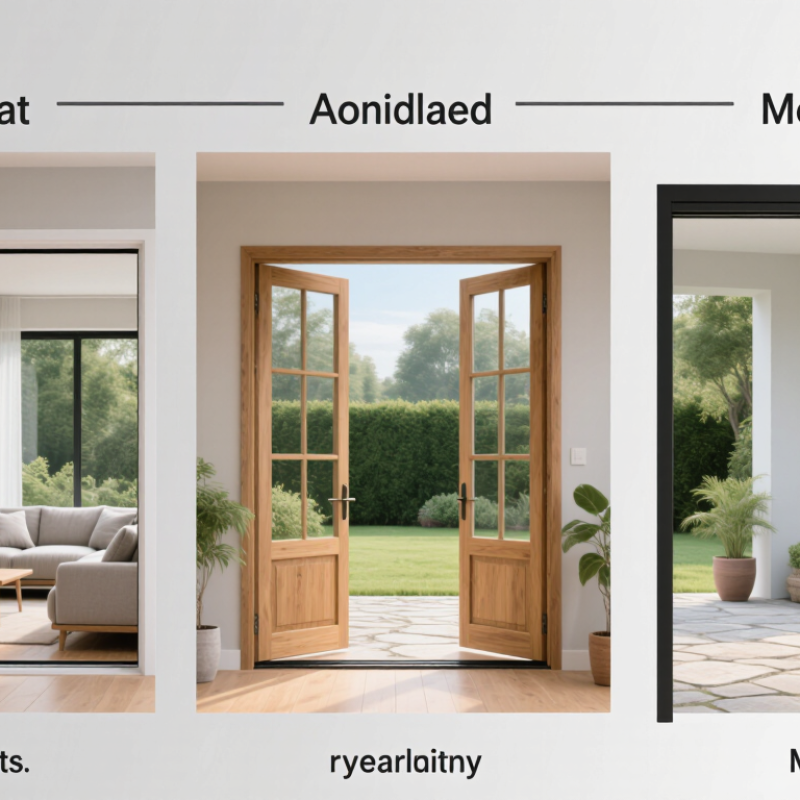
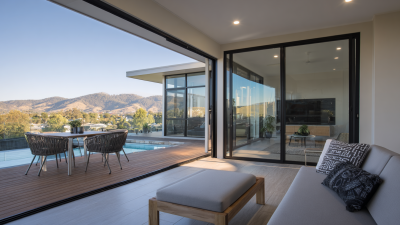
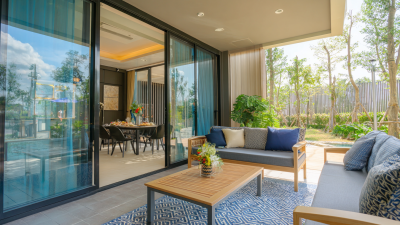
Sliding patio doors remain a practical choice where outdoor space is tight. Their panels glide along a track, so they do not swing into furniture or a small deck. Check that the track drains properly and feels smooth under hand. A wide glass panel also brings in daylight, though the frame and glazing affect insulation. Simple, but not effortless.
Hinged French doors open inward or outward, depending on the layout and installation. They create a familiar, generous opening, but need clear floor space for their swing. Multi-slide doors use several panels that stack or move along a track. Folding doors gather panels to one side, offering a broad opening, but their hardware and alignment deserve close inspection. Lift-and-slide designs raise panels slightly before they move, which can make larger units easier to operate.
The right type depends on the room, threshold, weather exposure, and daily use. Measure the opening and nearby furniture before comparing styles. For example, a door that swings toward a dining chair may look elegant and become annoying fast. Ask an installer to assess the wall opening, drainage, and sealing details; a small measurement error can affect both fit and performance. I would not choose by appearance alone. Even so, appearance matters when the door is part of the room every day.
A patio door frame faces more than daily opening and closing. Sun can fade finishes, rain can expose weak joints, and temperature swings can cause expansion. The right material depends on local weather, upkeep, and the opening’s condition—not appearance alone.
Vinyl resists moisture and usually needs little routine care, but lower-quality frames may flex or distort in strong heat. Fiberglass is dimensionally stable and handles temperature changes well, though its initial cost can be higher. Aluminum is strong and supports narrow sightlines. It can transfer heat, so a thermal break matters in colder climates. Wood offers warmth and can be repaired, but exposed finishes need regular attention. Clad wood adds exterior protection, yet damage at joints still deserves inspection. Small details count.
Before choosing, check the sill, drainage paths, and existing wall opening. A durable frame cannot compensate for poor installation or trapped water. Ask how the frame connects to the flashing and whether replacement work will disturb interior trim. I would also compare maintenance over time, not just the quoted price. That estimate can be misleading. One trade-off is easy to miss: a low-maintenance frame may look less natural, while a familiar wood finish asks for more care than some households can sustain.
A patio door can brighten a room, but its glass and frame also affect heating, cooling, and comfort. Compare the listed U-factor and solar heat gain coefficient for your climate and window orientation. Low-emissivity glass and insulated frames may help reduce heat transfer. Small gaps matter. Ask how the installer will seal the sill and perimeter; even an efficient door can underperform if air leaks around it. Product ratings are useful, though real results also depend on installation and upkeep.
Security depends on more than the lock. Look for a sturdy frame, a reliable locking system, and hardware that resists being forced. For sliding doors, check whether the panel can be secured against lifting from its track. Tempered or laminated glass may improve resistance to breakage, but neither makes a door impossible to breach. Ask for clear details on the glass and lock options, rather than relying on vague claims.
Accessibility deserves a close look before ordering. Measure the clear opening and threshold height, then consider whether a wheelchair, walker, or loaded hands can pass comfortably. A low threshold can still create a trip edge; I would not judge it from a product photo alone. Handle height, operating force, and nearby floor space matter too. If possible, try a similar door in person and confirm the final measurements at the home before installation.
Patio door replacement costs depend on more than the new unit. Frame material, glass type, panel size, and operating style all affect the price. A basic sliding door may cost less than a large multi-panel system, but the opening must suit the chosen design. Ask for an itemized estimate. It should separate the door, labor, removal, disposal, trim, and any repair work. Prices vary by location, so compare local written quotes rather than relying on a general online figure.
Installation can uncover problems that were hidden behind the old frame. Soft wood, damp insulation, or a warped sill may add labor and materials. Not fun. Before work begins, check how the crew will protect floors and furniture, remove the old door, and seal the opening against water and air leaks. The sill should sit level, and the frame should be square; even a small misalignment can make a sliding panel stick. Ask whether flashing, weatherstripping, and interior trim are included. Also confirm how the crew handles cleanup and unexpected repairs. I would not choose the lowest bid without checking these details. A vague estimate can leave important costs unresolved.
| Door Option | Estimated Installed Cost (USD) | Main Advantages | Potential Drawbacks | Installation Considerations | Best Suited For |
|---|---|---|---|---|---|
| Vinyl sliding patio door | $1,500–$3,500 | Usually one of the more budget-friendly choices; low routine maintenance; sliding panels do not swing into the room. | Frame color and finish choices may be limited; lower-cost units may offer fewer hardware or glass options. | Works well when replacing a similar-size sliding unit in a sound, square opening. Check the sill, flashing, and surrounding frame for water damage. | Buyers seeking practical value and easy upkeep. |
| Aluminum sliding patio door | $2,000–$5,000 | Slim frames can provide a broad glass area; durable frame material and a contemporary appearance. | Some aluminum frames transfer heat more readily than insulated alternatives; thermal performance varies by design. | Compare the unit’s documented thermal performance, not just the frame material. Confirm that the existing opening and sill can support the selected assembly. | Modern homes and buyers who prioritize narrow sightlines. |
| Fiberglass sliding patio door | $2,500–$5,500 | Dimensionally stable material; generally low maintenance; can be available with energy-efficient glazing options. | Often costs more than basic vinyl; available colors, finishes, and configurations depend on the product. | Verify rough-opening measurements, operating-panel direction, and flashing details. Ask for the specific glass package and performance label. | Buyers wanting a low-maintenance upgrade with a mid-to-upper budget. |
| Wood or wood-clad sliding patio door | $3,000–$7,000 | Warm interior appearance; wood interiors can be painted or stained; cladding can reduce exterior maintenance. | Typically requires a larger budget; exposed wood needs periodic inspection and finish maintenance. | Installation must keep water away from the wood components. Review exterior cladding, sill pan, flashing, and the condition of the wall opening. | Homes where interior appearance and finish flexibility are priorities. |
| Hinged French patio door | $2,500–$6,500 | Classic appearance; wide access when both leaves open; available in various materials and glazing configurations. | Needs clear swing space; weather sealing and alignment are important for smooth operation. | Confirm whether the doors swing in or out, check for nearby furniture or steps, and ensure the floor and opening are level and properly supported. | Buyers who prefer a traditional look or want a wide opening for occasional access. |
| Multi-panel or stacking sliding door | $6,000–$15,000+ | Can create a very wide opening and connect indoor and outdoor living areas; multiple panel configurations are possible. | Higher product and installation cost; panels need suitable space to stack or slide; larger glazed areas can affect comfort and energy use. | May require structural review, a reinforced header, precise track installation, and changes to the opening. Confirm site access, drainage, and local permit requirements before ordering. | Major renovations and projects where a large opening is a central design feature. |
Cost and selection note: These are broad 2026 U.S. planning estimates for a typical replacement with standard installation in an existing opening. Actual prices vary by door size, glass, location, labor, disposal, and the condition of the frame or surrounding structure. Structural work, permits, repairs, and custom configurations may add cost. Compare product-specific energy labels, including U-factor and Solar Heat Gain Coefficient (SHGC), and check local requirements before purchasing.
Choosing the right patio door starts with your room, climate, and daily habits. Measure the opening, then note nearby furniture, walkway space, and the direction of afternoon sun. A sliding door suits tight rooms because its panels do not swing inward. Hinged doors need clear floor space, but offer a wider opening. I would not choose from photographs alone. Visit a showroom or inspect samples in daylight to compare frame thickness, glass clarity, and handle feel.
Energy performance deserves a close look. The U.S. Department of Energy’s Energy Saver guidance estimates that windows account for 25–30% of residential heating and cooling energy use. That figure is not specific to patio doors, but it shows why glazing choices matter. Compare the exact door’s National Fenestration Rating Council label. U-factor measures heat transfer; lower values generally mean better insulation. Solar heat gain coefficient indicates how much sunlight heat enters. In sunny rooms, lower solar gain may reduce overheating; in colder regions, useful winter sun could matter more. There is no universal best number.
Ask how the frame, weatherstripping, and threshold perform together. Check that the installer will measure the opening and seal around the frame, not just fit the door. A small gap can invite drafts or rain. Think about maintenance, too: tracks collect grit, and dark frames may show dust more clearly. The right choice balances light, access, privacy, and performance—not just the lowest quote.
This chart compares example layouts: a two-panel sliding door with one operable panel, a two-panel hinged door with two, a four-panel bifold with four, and a three-panel multi-slide with three. Actual panel configurations vary by design. Consider available space, desired opening width, accessibility, weather exposure, and budget when choosing a replacement.
We serve the Greater Milwaukee area: Waukesha, Milwaukee, Washington, Ozaukee Counties and nearby areas, including Germantown, Menomonee Falls, Mequon, Cedarburg, Thiensville, Grafton, Jackson, West Bend, Hartland, Waukesha, Brookfield, West Allis, Franklin, Greenfield and more. We are Wisconsin’s Best Contractor for Replacement Windows, Doors, Siding & Roofing!
Address:
N112 W14880 Mequon Road
Germantown, Wisconsin 53022
Phone:
Email:
Monday: 9am – 5pm
Tuesday: 9am – 5pm
Wednesday: 9am – 5pm
Thursday: 9am – 5pm
Friday: 9am – 4:30 pm
Saturday by Appointment
Evenings by Appointment