

2026 Top Galvanized Tube Types for Global Buyers
Global buyers need more than a bright zinc surface when selecting a Galvanized Tube. They must compare coating method, steel grade, wall thickness, dimensions, and intended service conditions. A tube used for greenhouse frames may face different demands from one installed in outdoor handrails or water-support structures. This guide introduces the leading galvanized tube types expected to shape international purchasing in 2026.
Hot-dip galvanized tubes remain widely valued for their thick, durable zinc coating and strong outdoor performance. Pre-galvanized tubes often offer cleaner dimensions and efficient pricing for light fabrication. Electro-galvanized options can provide a smoother appearance, but they may require additional protection in harsh environments. Welded tubes suit many structural applications, while seamless tubes may be considered where pressure, stress, or specification requirements are more demanding. The right choice depends on evidence, not appearance alone.
Standards matter. Buyers should confirm relevant ASTM, EN, ISO, or regional requirements before approving samples. They should also review mill certificates, coating thickness reports, welding quality, dimensional tolerances, and corrosion-test results. Experienced suppliers can explain how zinc coverage changes at corners, weld seams, and cut ends. Small details matter.
No single type wins every project. That assumption deserves review. Shipping distance, moisture exposure, fabrication methods, and local inspection practices can change the decision. Product data should be checked against the final application, not copied from a previous order. Even reliable suppliers can make mistakes when specifications remain vague. A disciplined comparison helps global buyers balance service life, cost, availability, and technical risk.
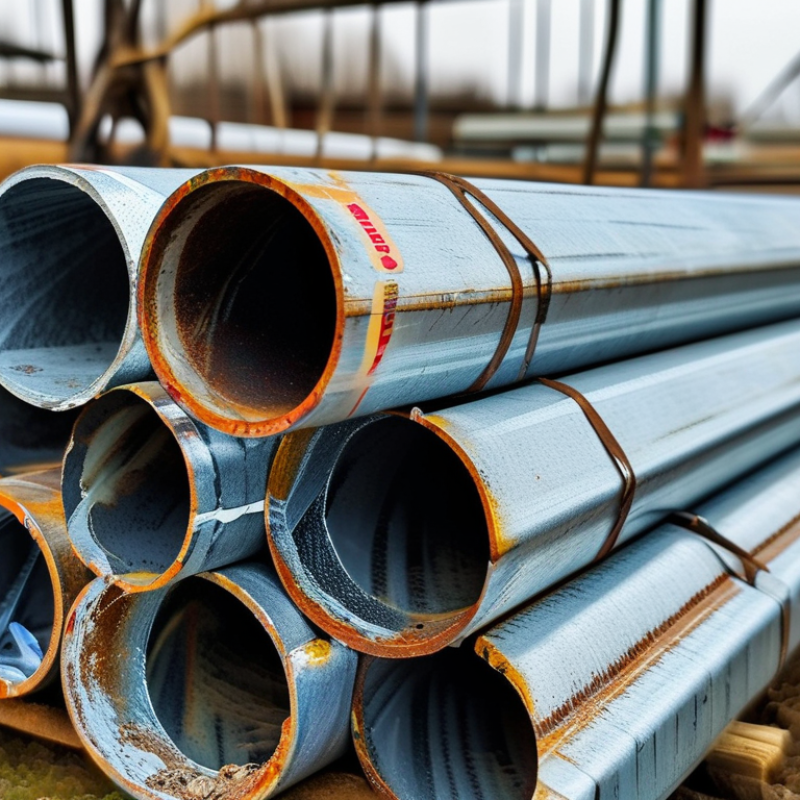
Galvanized Tube Basics and Key Features for Global Buyers
Galvanized Tube Basics and Key Features for Global Buyers
Galvanized tubes use a zinc coating to slow corrosion on steel surfaces. For global buyers, coating method matters as much as tube size. Hot-dip galvanizing usually creates a thicker, more durable layer for outdoor structures. Electro-galvanizing offers a smoother finish but may provide less protection in severe environments. The choice should match exposure, service life, and budget. No coating is perfect.
A dependable specification starts with the steel grade, outside diameter, wall thickness, and tube length. Buyers should confirm whether measurements follow metric or imperial systems. Coating mass, adhesion, and surface appearance also need clear requirements. Inspection documents can include chemical analysis, tensile results, dimensional checks, and coating tests. Ask for batch traceability. This detail is easy to miss.
Environmental exposure changes performance significantly. Indoor, dry applications may need less protection than coastal or industrial sites. Salt, moisture, and trapped water can attack cut edges and welded areas. Proper drainage and sealed connections reduce these risks. Threading or drilling after galvanizing may expose bare steel, so repair treatment should be specified. A common assumption deserves reconsideration: a bright surface does not always indicate a thicker zinc layer. Buyers should compare test results rather than relying on appearance alone. Supplier communication can still fail when drawings, tolerances, and inspection terms remain vague.
| Galvanized Tube Type | Manufacturing and Zinc-Coating Method | Common Size Range | Typical Zinc-Coating Information | Key Advantages | Common Global Applications | Relevant Standards to Check | Important Buyer Considerations |
|---|---|---|---|---|---|---|---|
| Hot-Dip Galvanized Round Structural Tube | Steel tube is fabricated first and immersed in molten zinc, producing a metallurgically bonded coating on the external and accessible internal surfaces. | Common supply range: approximately 12.7–219.1 mm outside diameter and 0.8–8.0 mm wall thickness, depending on production capability and structural specification. | Coating requirements are normally specified by zinc mass or thickness. Minimum local coating thickness is commonly about 45–85 μm, depending on the steel thickness and governing standard. | Strong long-term atmospheric corrosion protection; suitable for outdoor service; the coating protects exposed steel through barrier and sacrificial action. | Outdoor frames, guardrails, agricultural structures, solar-support components, fences, walkways and general construction. | ISO 1461EN ISO 1461ASTM A123/A123MASTM A500 | Confirm whether the structural tube specification and the galvanizing specification are both required. Check vent and drain-hole design, thread protection, straightness and post-galvanizing dimensional tolerances. |
| Pre-Galvanized ERW Round Tube | Cold- or hot-rolled steel strip is zinc-coated in coil form and then roll-formed and welded into tube. | Common supply range: approximately 10–165 mm outside diameter and 0.6–3.2 mm wall thickness. | Common coating designations include Z120–Z275 g/m² total on both surfaces, equivalent to approximately 8–19 μm per side when evenly distributed. | Consistent surface appearance, efficient production, competitive cost and good protection for normally exposed surfaces. | Light structural work, greenhouse components, shelving, furniture frames, cable support systems, interior construction and general fabrication. | EN 10346ASTM A653/A653MJIS G3302 | Forming and welding can expose small areas at the seam or cut ends. Specify repair treatment for damaged areas and assess suitability for continuously wet, buried or highly corrosive environments. |
| Pre-Galvanized Square and Rectangular Hollow Section | Zinc-coated strip is roll-formed into square or rectangular hollow sections, usually using electric resistance welding. | Common supply range: approximately 15 × 15 mm to 200 × 200 mm square; rectangular sections commonly range from about 20 × 10 mm to 200 × 100 mm, with 0.8–8.0 mm wall thickness. | Typical commercial coating levels are about Z120–Z275 g/m² total on both sides; actual coating class depends on the ordered material grade and applicable standard. | Efficient load distribution, easy fabrication, clean appearance and convenient flat surfaces for mounting or connection. | Racking, partition frames, machinery guards, fencing, construction subframes, signage supports and light structural assemblies. | EN 10346EN 10219ASTM A500ASTM A653/A653M | Check corner radius, squareness, weld-zone appearance, diagonal dimensions and the condition of cut ends. For heavy outdoor exposure, a post-fabrication hot-dip coating may provide more complete coverage. |
| Hot-Dip Galvanized Square and Rectangular Structural Tube | Square or rectangular hollow section is fabricated and then hot-dip galvanized after forming and welding. | Common supply range: approximately 20 × 20 mm to 300 × 300 mm square and up to about 400 × 200 mm rectangular, with wall thicknesses commonly from 1.5–12 mm. | Coating thickness is determined by the steel thickness and the applicable galvanizing standard; typical minimum local values are often about 45–85 μm. | High durability for outdoor environments, better coverage of fabricated surfaces than pre-galvanized material and reduced need for repeated painting. | Bridges and access platforms, outdoor stairs, highway furniture, utility supports, agricultural buildings and coastal or industrial structures. | ISO 1461EN ISO 1461ASTM A123/A123MEN 10219 | Provide suitable vent and drain holes for closed sections. Allow for zinc buildup at corners and threaded areas, and verify lifting, handling and weld-repair procedures. |
| Electro-Galvanized Precision Tube | A zinc layer is deposited electrochemically after tube production, generally providing a smooth and uniform appearance. | Common supply range: approximately 6–100 mm outside diameter and 0.5–3.0 mm wall thickness. | Typical commercial coating thickness is approximately 5–25 μm, although the specified class may vary significantly by product standard and corrosion requirement. | Good dimensional control, smooth finish, suitable for indoor or mildly exposed applications and convenient for further forming or painting. | Automotive components, interior equipment, furniture, appliances, light-duty frames and precision fabricated parts. | ISO 2081ASTM B633EN 10152 | Usually less suitable than hot-dip galvanizing for severe outdoor, marine, buried or continuously wet service. Confirm passivation, salt-spray performance, surface class and post-forming corrosion protection. |
| Rigid Galvanized Steel Electrical Conduit | Steel conduit is zinc-coated to protect the raceway from corrosion; the coating arrangement can vary between external-only and external-plus-internal protection. | Common nominal sizes are approximately 16–63 mm, with wall thickness commonly around 1.2–3.5 mm, depending on the conduit classification. | Coating requirements depend on the conduit system. Hot-dip galvanized conduit generally provides a thicker, more durable coating than electro-galvanized conduit. | Mechanical protection for cables, fire-resistant metallic raceway, grounding continuity when correctly installed and good suitability for exposed installations. | Industrial buildings, commercial electrical systems, infrastructure projects, exposed cable routes and areas requiring robust mechanical protection. | IEC 61386-21IEC 61386-1EN 61386-21 | Check nominal size, thread form, coupling compatibility, internal burr control, corrosion category, grounding requirements and local electrical-code acceptance. |
| Galvanized Mechanical Tube for Fabrication | Low-carbon or alloy steel tube is produced for forming and fabrication, then supplied with either pre-galvanized or electro-galvanized protection. | Common supply range: approximately 8–120 mm outside diameter and 0.7–5.0 mm wall thickness. | Coating levels vary by process and purchase specification; pre-galvanized products commonly use Z120–Z275 g/m² total coating, while electro-galvanized products often use thinner zinc layers. | Good weldability and formability when the steel grade is selected correctly; suitable for repeatable component production. | Automotive brackets, equipment frames, seating structures, agricultural machinery parts, racks and fabricated assemblies. | EN 10346ISO 2081ASTM A653/A653MASTM B633 | Confirm steel chemistry, yield strength, elongation, bending radius, weld procedure, coating damage after fabrication and requirements for zinc-fume control during welding. |
| Galvanized Water and Utility Pipe | Steel pipe is normally hot-dip galvanized after manufacture, with zinc applied to the exterior and, where specified, the interior. | Common nominal pipe sizes range from approximately 15–150 mm, with wall thickness selected according to the pressure, service and regional pipe classification. | Coating requirements should be defined by the relevant pipe or galvanizing standard. Actual internal coverage and coating continuity must be verified separately. | Useful for certain utility, service and non-potable applications where mechanical strength and corrosion protection are required. | Compressed-air lines, agricultural utilities, fire-protection-related systems where approved, temporary services and non-potable water systems. | ISO 1461EN ISO 1461ASTM A123/A123MEN 10255 | Do not assume suitability for drinking water, hot water or chemical service. Confirm local health regulations, pressure rating, fluid compatibility, threaded-end protection and internal corrosion risk. |

About Us
We serve the Greater Milwaukee area: Waukesha, Milwaukee, Washington, Ozaukee Counties and nearby areas, including Germantown, Menomonee Falls, Mequon, Cedarburg, Thiensville, Grafton, Jackson, West Bend, Hartland, Waukesha, Brookfield, West Allis, Franklin, Greenfield and more. We are Wisconsin’s Best Contractor for Replacement Windows, Doors, Siding & Roofing!
Contact Details
Address:
N112 W14880 Mequon Road
Germantown, Wisconsin 53022
Phone:
Email:
Showroom Hours
Monday: 9am – 5pm
Tuesday: 9am – 5pm
Wednesday: 9am – 5pm
Thursday: 9am – 5pm
Friday: 9am – 4:30 pm
Saturday by Appointment
Evenings by Appointment
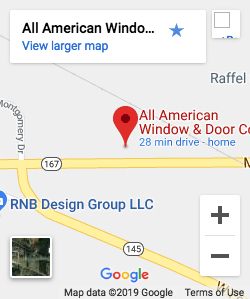
Directions
© 2023 All American Window & Door | Sitemap