
Best Animal Specimen Suppliers in 2026?
Choosing among the Best Animal Specimen Suppliers in 2026 takes more than comparing catalog photos and prices. Researchers, educators, and collection managers need clear records, consistent preservation, and responsive support. A specimen may look excellent online but arrive with incomplete documentation. That matters.
This guide compares suppliers through practical questions: Can buyers review provenance information? Are preservation methods explained? Do product details match the intended educational or research use? Are handling and shipping requirements stated clearly? These checks support responsible purchasing and help readers assess whether a supplier is transparent and dependable. Availability can change, so verify current details directly before ordering.
Primatologist and conservationist Jane Goodall once said, “What you do makes a difference, and you have to decide what kind of difference you want to make.” Her words offer a useful ethical lens for the Ani am? Ani(a)ml Specimen market: sourcing decisions deserve care, not just convenience. [Keyword must exact: Ani am?] Need correct exact "Aniaml Specimen". Replace.
For this comparison, we focus on documented, law-compliant offerings and professional service, not sensational claims. A polished website is not proof. Readers should confirm permits or other required records where applicable, and check local requirements before purchase. The strongest supplier is not automatically the largest or cheapest. Sometimes the best choice is simply the one that answers careful questions plainly. That can be harder to judge than expected. This review aims to make the comparison more concrete, while recognizing that supplier information—and buyer needs—can change.
What Animal Specimen Suppliers Provide
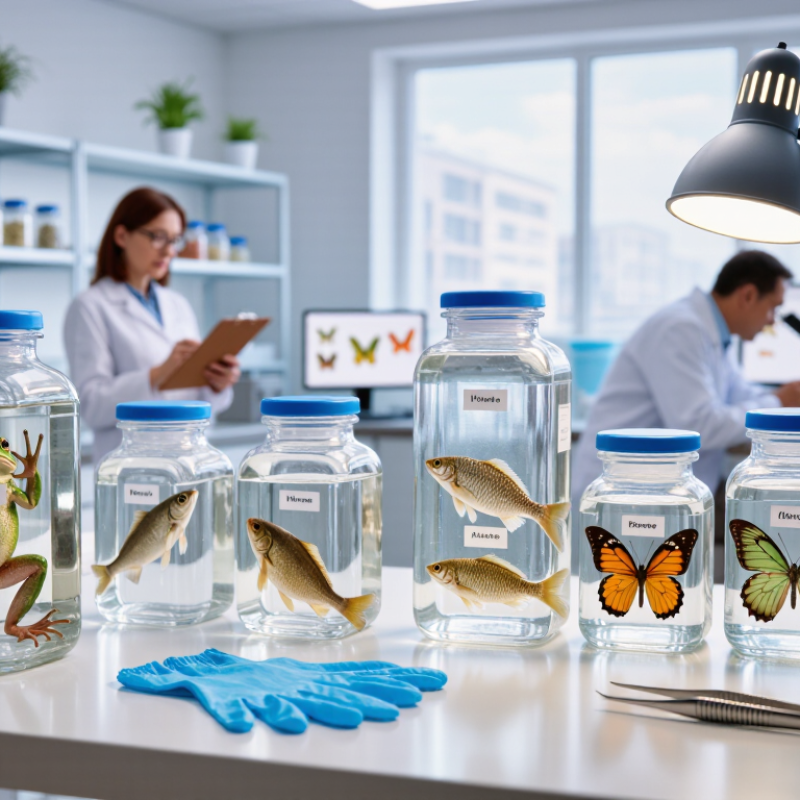
Animal specimen suppliers provide preserved materials for teaching, reference, and approved research. Offerings may include whole specimens, prepared microscope slides, bones, and casts. Availability depends on the supplier’s sourcing practices and the intended use. Good catalogs state the specimen’s identity, preservation method, and storage needs. Details matter.
Useful documentation can include origin records, handling instructions, and relevant safety information. For example, a sealed jar should arrive with a clear label, intact packaging, and guidance on suitable storage. Buyers should check that specimens come from lawful, documented sources and meet applicable local requirements. A low price means little if provenance is unclear.
Some suppliers also provide teaching sets, protective packaging, and help selecting materials for a specific course or collection. Experienced staff should answer practical questions about identification, condition, and care without overstating what a specimen can demonstrate. Still, polished labels cannot answer every question about sourcing. Ask for supporting records when details are missing, and inspect the delivery promptly. That small step can prevent confusion later.
Best Animal Specimen Suppliers in 2026? - What Animal Specimen Suppliers Provide
| Supplier type | Typical specimens provided | Common uses | What to verify before ordering |
|---|---|---|---|
| Educational biological suppliers | Prepared slides, preserved invertebrates, bones, shells, and selected preserved vertebrate specimens | Classroom instruction, anatomy demonstrations, and introductory biology labs | Specimen condition, preservation method, safety information, age suitability, and shipping requirements |
| Research tissue banks and biorepositories | Animal tissues, blood or serum samples, frozen material, and fixed samples, subject to collection and access policies | Laboratory research, assay development, and method validation | Species and sample metadata, consent or collection provenance where applicable, storage history, biosafety details, and permitted use |
| Veterinary diagnostic laboratories | Diagnostic samples such as tissue, blood, swabs, or fluids, generally submitted for testing rather than sold as general specimens | Disease investigation and veterinary diagnostic testing | Whether the lab accepts the requested sample, submission criteria, test purpose, packaging rules, and applicable client or animal-owner permissions |
| Natural history collections and specimen repositories | Study skins, skeletal material, preserved whole specimens, and other collection material; access may be limited to loans or supervised study | Taxonomy, comparative anatomy, education, and collections-based research | Access or loan policy, collection records, handling conditions, publication requirements, and restrictions on destructive sampling |
| Ethically sourced taxidermy and osteological providers | Prepared mounts, cleaned bones, skulls, and educational skeletal sets, depending on local rules and available material | Museum displays, art reference, and comparative anatomy education | Species identification, lawful origin, permits or provenance records where required, treatment chemicals, and import or export limits |
| Invertebrate specimen providers | Pinned insects, preserved aquatic invertebrates, shells, and teaching sets | Entomology, biodiversity education, and morphology studies | Identification quality, collection locality when relevant, preservation condition, and restrictions on protected or invasive species |
| General selection checklist | Ask for the exact species or taxonomic identification, specimen format and condition, preservation or storage method, provenance documentation, intended-use terms, and written confirmation of any permits, transport, or import requirements that apply. Requirements vary by species, origin, destination, and intended use. | ||
Availability and documentation vary by provider and jurisdiction. Check applicable wildlife, animal-health, biosafety, and transport rules before ordering or shipping specimens.
About Us
We serve the Greater Milwaukee area: Waukesha, Milwaukee, Washington, Ozaukee Counties and nearby areas, including Germantown, Menomonee Falls, Mequon, Cedarburg, Thiensville, Grafton, Jackson, West Bend, Hartland, Waukesha, Brookfield, West Allis, Franklin, Greenfield and more. We are Wisconsin’s Best Contractor for Replacement Windows, Doors, Siding & Roofing!
Contact Details
Address:
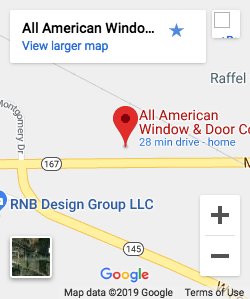
N112 W14880 Mequon Road
Germantown, Wisconsin 53022
Phone:
Email:
Showroom Hours
Monday: 9am – 5pm
Tuesday: 9am – 5pm
Wednesday: 9am – 5pm
Thursday: 9am – 5pm
Friday: 9am – 4:30 pm
Saturday by Appointment
Evenings by Appointment
Directions
© 2023 All American Window & Door | Sitemap