How to Choose the Best Pre Fabricated Houses for Your Needs?
When considering housing options, many individuals turn to Pre Fabricated Houses for their modern efficiency and design flexibility. Renowned industry expert, Sarah Thompson, once said, "Choosing a pre fabricated home means embracing innovation while ensuring comfort." Her insights resonate deeply with those exploring these housing solutions.
Pre Fabricated Houses are designed to meet diverse needs. These structures boast rapid assembly and eco-friendly materials. However, selecting the right one can be overwhelming. Each option carries unique advantages and potential drawbacks. Understanding your specific requirements is vital. A misstep in selection could lead to dissatisfaction.
As you embark on this journey, focus on your lifestyle and budget. Consider space, aesthetics, and functionality. Reflect on how each choice aligns with your vision. Pre Fabricated Houses offer many possibilities, yet it’s essential to avoid haste. Taking the time to evaluate every aspect will lead to a more satisfying outcome.
Understanding Prefabricated Houses: Definition and Types
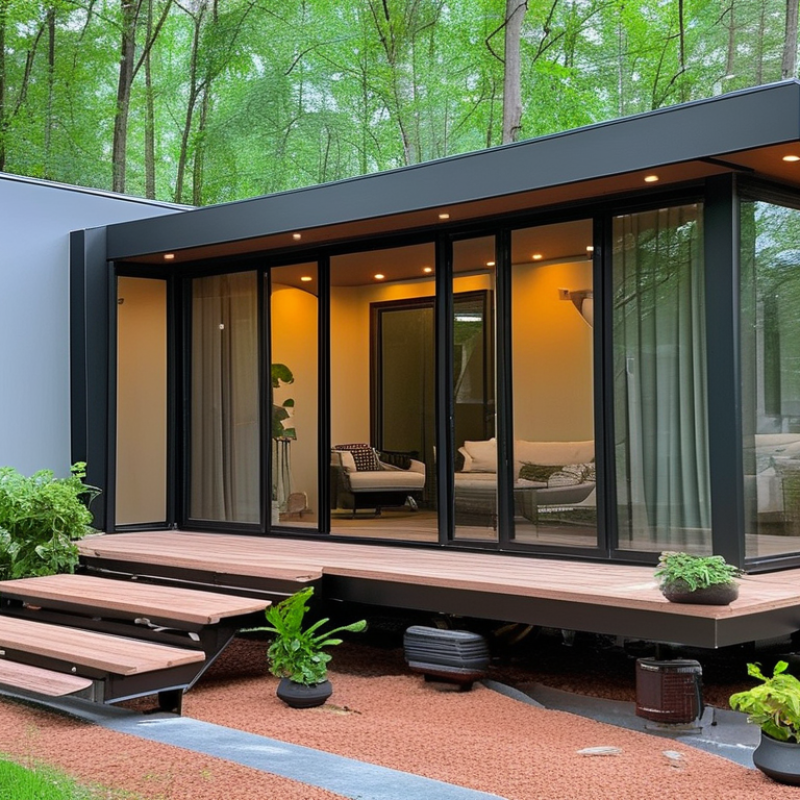
Prefabricated houses are gaining popularity due to their efficiency and design flexibility. These structures are built off-site and assembled on location, allowing for faster construction. Understanding the types of prefabricated houses can help you choose the best one for your needs.
There are several categories of prefabricated houses. Modular homes are constructed in sections or modules, which are then transported to the site and put together. Panelized homes consist of pre-cut panels that form walls, floors, and roofs, making assembly quick. Some people choose manufactured homes, which are fully constructed in a factory and placed on a foundation. Each type has its pros and cons, depending on budget and preferences.
Thinking about your requirements is vital. Consider the climate and location. Some designs may not perform well in extreme weather. Reflect on your lifestyle needs. Will the space accommodate future growth? Each choice may come with its own set of challenges. Exploring local building codes and regulations is critical. Not all designs may comply with local laws, affecting your options.
Assessing Your Needs: Space, Budget, and Lifestyle Considerations
Assessing your needs is crucial when choosing a prefabricated house. Consider the space you require. How many people will live in your home? Think about your lifestyle. Do you need a home office, or are you planning for a growing family? Each factor influences your decision.
Budget is another significant aspect. Prefabricated houses can vary in price. Determine your budget and stick to it. Avoid falling into the trap of overspending. Remember that additional costs can arise, such as delivery and installation.
Tips: Always factor in future needs. A small house may feel cramped if your family grows. Think long-term when assessing space. Additionally, consider your lifestyle. A quiet retreat may require different features than a house for social gatherings. Reflect on these aspects carefully; they will shape your living environment for years to come. Understanding your needs now can lead to better choices later.
How to Choose the Best Pre Fabricated Houses for Your Needs?
| Criteria | Description | Considerations |
| Space | Determine the total area needed based on family size and lifestyle. | Consider future expansions and outdoor space needs. |
| Budget | Establish a budget including all costs, not just the house price. | Account for additional costs such as land, foundation, and utilities. |
| Lifestyle | Consider your lifestyle preferences such as urban vs. rural living. | Think about amenities needed for your daily routine. |
| Design Preferences | Choose a design style that fits your aesthetic and functional needs. | Explore options for customizations and layouts. |
| Energy Efficiency | Select houses with eco-friendly materials and designs. | Look for energy-efficient appliances and insulation. |
Evaluating Construction Materials: Pros and Cons of Different Options
When selecting prefabricated houses, understanding construction materials is essential. Various options exist, each with distinct advantages and drawbacks. For instance, wood offers warmth and aesthetic appeal. According to industry reports, wood structures can reduce energy costs by 20% through better insulation. However, they require regular maintenance and are vulnerable to pests and moisture issues.
On the other hand, steel is increasingly popular for prefabricated homes. It is resilient and fire-resistant. The National Association of Home Builders reports that steel framing can last longer than wood. Yet, it often comes with higher initial costs and may conduct heat poorly, impacting energy efficiency.
Additionally, concrete is another choice, known for durability and low maintenance. Prefab concrete homes can withstand harsh conditions. However, they may require heavy machinery for installation, complicating the construction process. It’s important to weigh these factors based on your specific needs and climate. An informed decision can lead to a more sustainable and comfortable living space.
Comparison of Manufacturers: Researching Reputation and Quality
When looking for prefabricated houses, manufacturer reputation matters. Not all companies have equal standing in the industry. Checking reviews online can reveal much about a manufacturer’s reliability. Look for consistent feedback about customer service and the quality of homes delivered. A manufacturer with strong positive reviews often indicates trustworthiness.
Researching the quality of building materials used is essential. Not every prefabricated house is built to the same standards. Take note of what materials each manufacturer uses. Some might employ eco-friendly resources, while others may cut corners. It's worth exploring any available certifications or quality assurance practices. Those can be indicators of a manufacturer’s dedication to excellence.
Be mindful of warranties and service agreements. A good manufacturer stands behind their product. An inadequate warranty could lead to unforeseen repairs and costs. Reach out to other homeowners to discuss their experiences. Personal stories can provide valuable insight into the long-term satisfaction of prefabricated houses. This research phase, while time-consuming, lays a solid foundation for making a sound decision.
Navigating Local Regulations: Permits and Zoning Requirements
When considering prefabricated houses, local regulations play a crucial role. Each area has specific permits and zoning requirements that can impact your project. Research shows that 40% of homeowners face significant delays due to regulatory issues. These hurdles can slow construction and increase costs. Understanding your local zoning laws helps avoid unforeseen challenges.
Check with local authorities before making any decisions. Some regions have restrictions on the size and style of prefabricated homes. Always verify if a building permit is necessary for your project. An unexpected zoning violation can derail your plans. This due diligence saves time and supports compliance with local building standards.
Tips: Create a list of local regulations. Consult with professionals to navigate complex laws. Be prepared for possible changes in your plans based on local feedback. Flexibility can make a significant difference in executing your ideal home. Adapting to regulations proves your commitment to community standards and long-term value.