How to Choose the Best Wpc Decking Boards for Your Project?
When embarking on a decking project, selecting the right materials is crucial. Wpc decking boards have gained popularity due to their durability and aesthetic appeal. These boards combine wood fibers and plastic, offering a robust alternative to traditional wood. However, choosing the best Wpc decking boards requires careful consideration.
There are many factors to take into account. For instance, the board's texture and color can significantly impact the look of your space. You might think that all Wpc decking boards are the same, but there are noticeable differences in quality. Some boards may fade or warp over time, raising questions about long-term reliability. It’s essential to research and compare brands.
Additionally, consider your specific needs. Are you looking for slip resistance? How important is the warranty? The market is vast, and not all options suit every project. Investing time in understanding Wpc decking boards can lead to a satisfying and durable outdoor space that stands the test of time.
Understanding WPC Decking: What Is It and Its Advantages
WPC decking, or wood-plastic composite decking, combines wood fibers and plastic to create a durable material. This innovative solution offers several advantages that make it a popular choice for outdoor projects. According to a report from Allied Market Research, the global WPC market is expected to reach $9.5 billion by 2028. This growth indicates a rising preference for environmentally friendly materials.
One key advantage of WPC decking is its resistance to rot, moisture, and insects. Traditional wooden decks can suffer from splintering and warping over time. In contrast, WPC decking typically has a lifespan of 25 years or more with proper maintenance. This durability can justify the initial investment for many homeowners. However, it's essential to consider that not all WPC products have the same quality. Some may fade or lose structural integrity if manufactured poorly.
Additionally, WPC decking is often made from recycled materials. This aspect appeals to eco-conscious consumers. A study published by the American Society for Testing and Materials shows that WPC lumber can reduce deforestation and support sustainability efforts. Still, consumers should validate claims on sustainability, as some manufacturers might not be transparent about their materials. Proper research is key to finding the best fit for your needs.
Key Factors to Consider When Choosing WPC Decking Boards
When choosing WPC decking boards, consider several key factors. Durability is paramount. Studies show that WPC boards can last up to 25 years, outperforming traditional wood. Look for boards that resist fading, scratching, and moisture. Boards with a higher wood-plastic content tend to provide better strength and resilience.
Another crucial factor is the material's sustainability. WPC is made from recycled wood fibers and plastic, reducing waste. The industry has moved towards eco-friendlier production methods. Reports indicate that using recycled materials in WPC decking reduces the carbon footprint by approximately 30%.
Aesthetics cannot be overlooked. WPC boards come in various colors and textures. They mimic the look of natural wood without the maintenance. However, color consistency can vary between batches. This means you may need to check samples before making bulk purchases. Keep these considerations in mind for a successful decking project.
Comparing Different Types of WPC Decking Materials
When selecting WPC decking materials, it's crucial to compare different types to find the best fit for your project. WPC, or wood-plastic composite, offers durability and low maintenance but comes in various formulations. These formulations impact performance and aesthetic appeal. Some WPC boards contain greater wood content, giving them a more natural look but possibly impacting moisture resistance. Others use more plastic, which can enhance durability but may not have the same visual warmth.
Another aspect to consider is the finish of the boards. Some have a textured surface, which can provide better traction but might wear quicker with heavy foot traffic. Smooth finishes offer a sleek appearance, yet they can become slippery when wet, raising safety concerns. It's essential to think about where the decking will be installed. Sun exposure and climate will affect the longevity and color of the material. Reflecting on personal needs and preferences can help steer your decision.
Ultimately, the choice of WPC decking should align with your specific requirements. Is sustainability important to you? How will you use the space? These questions guide your selection process. While each decking type has its pros and cons, ensuring it meets your practical needs is vital. Balancing aesthetics with functionality often requires careful consideration.
Comparison of WPC Decking Board Types
Evaluating Aesthetic Options: Color and Texture Choices
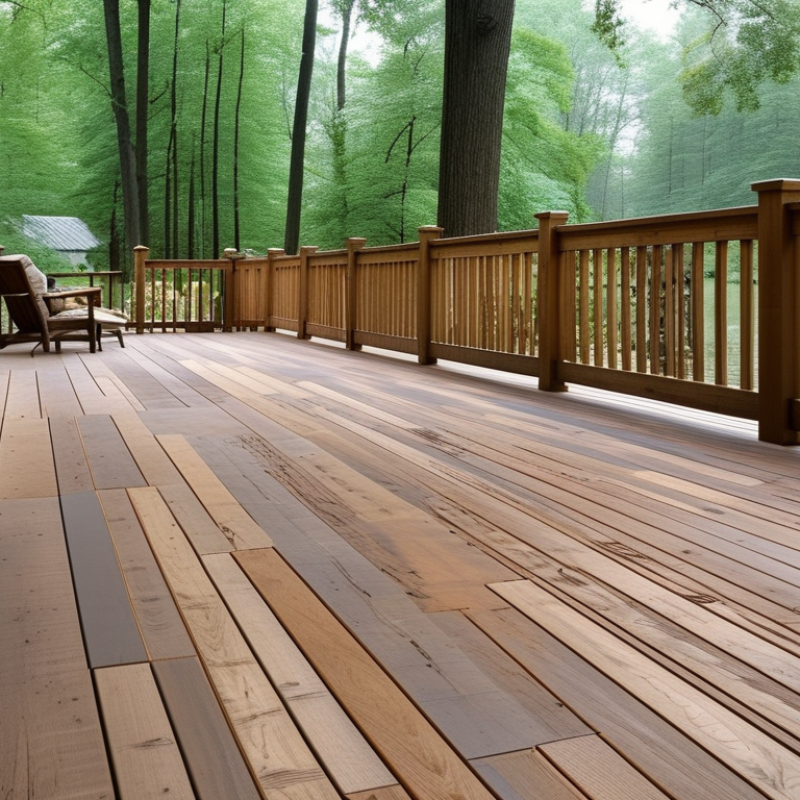
When selecting WPC decking boards, color and texture are vital considerations. Aesthetics can significantly influence the overall vibe of your outdoor space. According to industry reports, 48% of homeowners prioritize visual appeal when choosing decking materials. The variety of hues available ranges from natural wood tones to modern greys, providing options that fit diverse design themes.
Texture is equally important. Smooth finishes offer a sleek and contemporary look, while textured surfaces can enhance grip and provide a more rustic charm. Interestingly, about 55% of consumers report feeling safer on textured decking. This can be an essential factor if young children or pets are present. The balance between style and practicality must never be overlooked.
Tip: Consider how your color choice complements surrounding elements, like furniture or landscaping. Neutral tones can be versatile, while bold colors can make a statement.
Choosing the right texture is also key. A rough finish can withstand weather and foot traffic better than smooth surfaces. However, it may require more care to clean. Always remember that the look should not compromise safety or maintenance needs. Reflect on your priorities before making a selection, as the right choice contributes to the overall success of your project.
Budgeting for Your WPC Decking Project: Cost vs. Quality
When planning a WPC decking project, budgeting is crucial. Industry reports reveal that the average cost of WPC decking can range from $2.50 to $5.50 per square foot. This price can vary widely based on material quality and brand reputation. Lower-priced boards may seem enticing, but they often compromise on durability and long-term performance.
A study from the North American Deck and Railing Association indicates that quality WPC boards last 25-30% longer than their cheaper counterparts. For example, opting for a mid-range option may add a few dollars upfront but can save money on repairs and replacements later. This aspect often gets overlooked by DIY enthusiasts focusing solely on initial costs.
Another consideration is maintenance. While low-cost options may promise easy upkeep, they often require more frequent cleaning and sealing. In some cases, this leads to higher overall costs. Balancing budget constraints with quality considerations is a complex task that can determine the longevity of your deck. Reflecting on these factors is essential for making informed choices.
How to Choose the Best Wpc Decking Boards for Your Project? - Budgeting for Your WPC Decking Project: Cost vs. Quality
| Type of WPC Decking | Cost per Square Foot (USD) | Durability (Years) | Maintenance Level | Eco-Friendliness |
| Standard WPC | $2.50 | 10-15 | Medium | Yes |
| Premium WPC | $4.00 | 15-25 | Low | Yes |
| Composite WPC | $3.50 | 12-20 | Low | Yes |
| PVC WPC | $4.50 | 20-30 | Very Low | Yes |