
Blog

How to Choose the Right Awning Windows for Your Home?

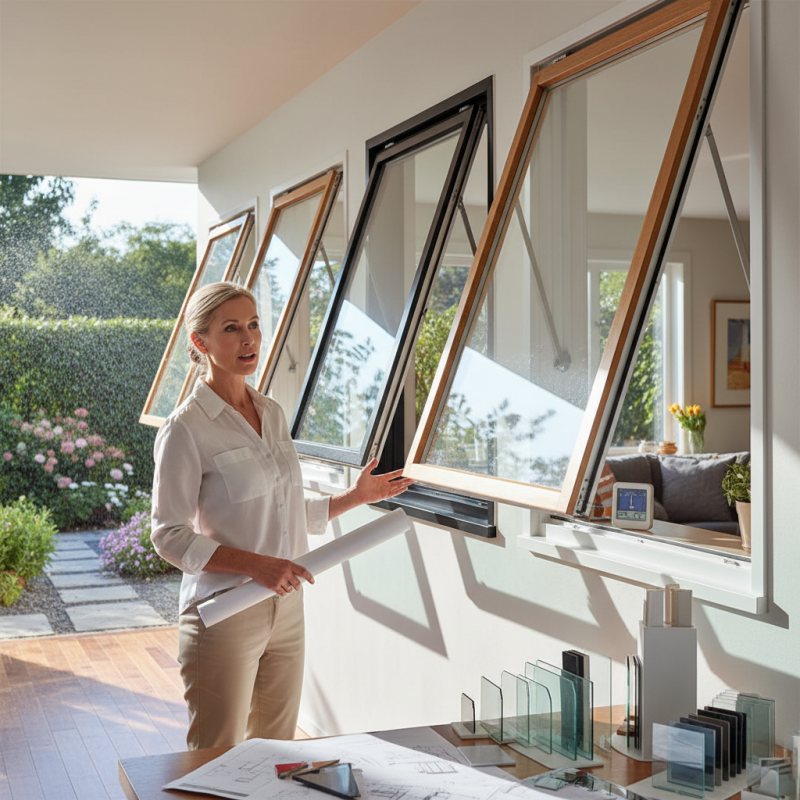
When choosing the right awning windows for your home, expert architect Jane Thompson emphasizes, "Selecting the perfect awning window can transform both aesthetics and functionality." Awning windows offer a unique combination of style and practicality. They are hinged at the top and open outward, allowing for ventilation while keeping rain at bay.

Understanding your home's needs is essential. Factors like climate, design, and energy efficiency play crucial roles. For example, awning windows can enhance airflow in warmer climates while also providing an added layer of security. It's important to explore different materials and styles. This decision impacts the overall look and performance of your home.

Reflecting on past experiences, many homeowners often overlook details like frame materials and glazing options. These choices can significantly influence energy savings and maintenance. It's crucial to consult reliable sources and professionals for guidance. By understanding these elements, you can make informed decisions about awning windows that elevate your living space while ensuring comfort and style.
How to Choose the Right Awning Windows for Your Home?

Factors to Consider When Selecting Awning Windows for Your Home

When selecting awning windows for your home, consider a few essential factors. These windows are known for their unique ability to open outward, offering excellent ventilation and rain protection. They are often installed higher on walls, which enhances privacy. But what should you really focus on?

Material is one key factor. Vinyl, wood, and aluminum are popular choices. Each material offers different aesthetics and insulation properties. Vinyl is low-maintenance and energy-efficient. Wood provides a classic look but needs upkeep. Aluminum is durable but may not insulate as well. Pay attention to your climate and aesthetic preferences.

Another significant consideration is size and placement. Larger windows can brighten a room but may require more structural adjustments. Ensure that the height complements your home's design. Consider how the windows will function as well. Test them if you can—smooth operation matters.

Tips: Always check for energy ratings. Look for windows that provide good insulation. This can save you on energy bills. Seek professional advice if you're unsure about installation. Sometimes, the right choice might not be the most obvious one. Reflect on your needs and the long-term value of your selections.
Different Styles of Awning Windows and Their Aesthetic Appeal

Awning windows offer a unique blend of style and functionality. These windows are hinged at the top, allowing them to open outward. This design is great for ventilation, even during rainy weather. Their sleek lines add a modern touch to your home while maintaining practicality. Many homeowners appreciate how they catch the eye without overwhelming the space.

When choosing the right style, consider the architectural design of your home. Classic homes often pair well with traditional awning windows. They feature intricate details that enhance the overall look. Conversely, contemporary homes benefit from minimalist designs, which focus on clean lines and simplicity. This decision impacts aesthetics and the natural flow of light into your home.

**Tips:** Match the window color with your home's exterior. This creates harmony and visual appeal. Adding insect screens can enhance functionality while keeping your space fresh. When installing, ensure the windows are positioned to catch prevailing winds. This maximizes airflow and helps maintain cooler indoor temperatures. Reflect on how these choices align with your home's overall vibe and feel.

How to Choose the Right Awning Windows for Your Home? - Different Styles of Awning Windows and Their Aesthetic Appeal

Style Material Energy Efficiency Aesthetic Appeal Typical Usage
Traditional Vinyl High Classic charm Residential homes
Modern Aluminum Medium Sleek and contemporary Urban apartments
Rustic Wood Medium Warm and inviting Cabins and cottages
Custom Fiberglass High Versatile design Unique architecture
European Wood-Composite Very High Elegant and refined Luxury homes

Material Options for Awning Windows: Choosing the Right Fit

When considering awning windows for your home, the choice of materials is crucial. Popular options include vinyl, aluminum, and wood. Each material has its own benefits and drawbacks. Vinyl is affordable and energy-efficient, but it may not offer the aesthetic appeal of wood. Aluminum is sleek and modern but can be less effective at insulating.

Wood offers a classic look, yet it requires more maintenance. It can warp or rot if not properly cared for. Think about your climate. Harsh weather can impact your material choice. For instance, vinyl may not perform well in extreme temperatures. Similarly, wood does not fare well in humid environments without proper sealing.

Durability is another factor. Look for materials that resist fading and corrosion. While vinyl might wear well, aluminum can dent. Reflect on your home's style too. Choose colors and finishes that harmonize with your exterior. This can enhance your home's curb appeal while ensuring the windows function properly over time.

Energy Efficiency Ratings in Awning Windows: What to Look For

How to Choose the Right Awning Windows for Your Home?

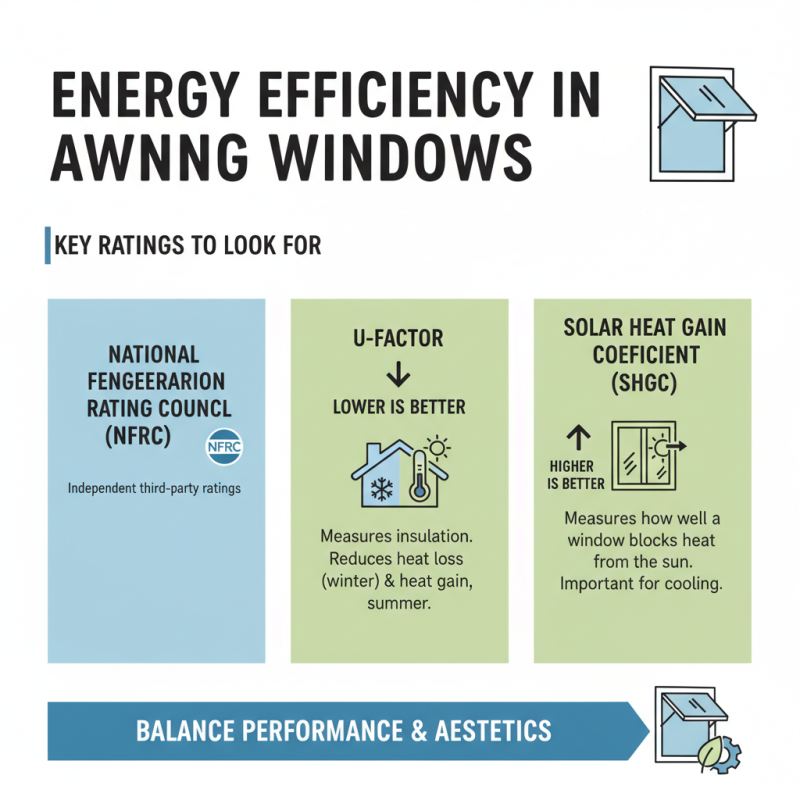
When selecting awning windows, energy efficiency ratings should be a primary concern. The National Fenestration Rating Council (NFRC) provides independent ratings that help in comparing products. Look for windows with a lower U-factor and higher Solar Heat Gain Coefficient (SHGC). A lower U-factor means better insulation, keeping your home warm in winter and cool in summer. Ensure that the windows maintain high performance without compromising aesthetics.

Consider energy-efficient features such as double glazing and low-E coatings. These elements minimize heat transfer and improve overall efficiency. In a recent report, homes with energy-efficient windows can save up to 30% on energy bills annually. However, not all awning windows are created equal. Some may claim efficiency but lack proper certifications, making comparisons crucial.

**Tip:** Always verify the NFRC labels before purchasing.

Additionally, local climate influences window performance. For hot regions, select windows with a low SHGC. In cooler climates, focus on thermal insulation. Test data suggests that improper selection can lead to increased energy costs and discomfort.

**Tip:** Consult a professional to assess your specific needs.

Installation Considerations for Awning Windows in Residential Spaces

How to Choose the Right Awning Windows for Your Home?

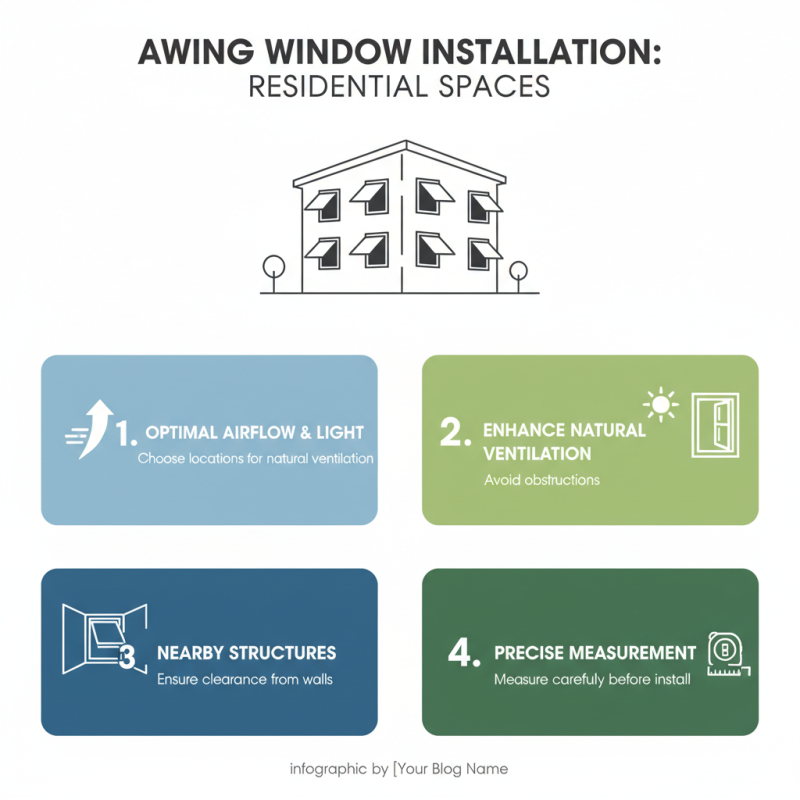
When considering awning windows for your home, installation plays a critical role. Proper placement ensures optimal airflow and light. Choose locations that enhance your space's natural ventilation. Avoid spots that may obstruct functionality. Think about nearby structures. An awning window installed too close to a wall may limit its opening. Measure carefully before starting.

Another key factor is the window's size. Standard sizes are common, but custom options can suit unique spaces. Larger windows can create stunning views but may require additional framing support. Keep in mind, larger installations may increase labor costs. Check local building codes as well. Guidelines often dictate how large windows can be.

Weatherproofing is also essential. Make sure the installation area is clean and dry. Sealing gaps is necessary to prevent leaks. Improper sealing can lead to future issues like mold. Be aware of seasonal changes during installation. Cold weather can affect materials. Not every contractor considers these factors, so be vigilant. Reflecting on these aspects will lead to a successful window installation.

Go to Top