
Blog

How to Choose the Best Patio Doors in 2026?

Choosing the best patio doors in 2026 requires more than comparing attractive frames and showroom prices. These doors shape daylight, ventilation, comfort, and the way people move between indoor and outdoor spaces. A wide glass opening may look impressive, yet it can create heat gain, glare, or difficult operation if the design is poorly matched to the home.

Tom Silva, longtime general contractor on This Old House, has said, “A door is only as good as the way it is installed.” That practical warning still matters. Even premium patio doors can leak air or water when the sill, flashing, and drainage system receive little attention. Ask about installation methods, local weather exposure, service support, and warranty limits before choosing a style.

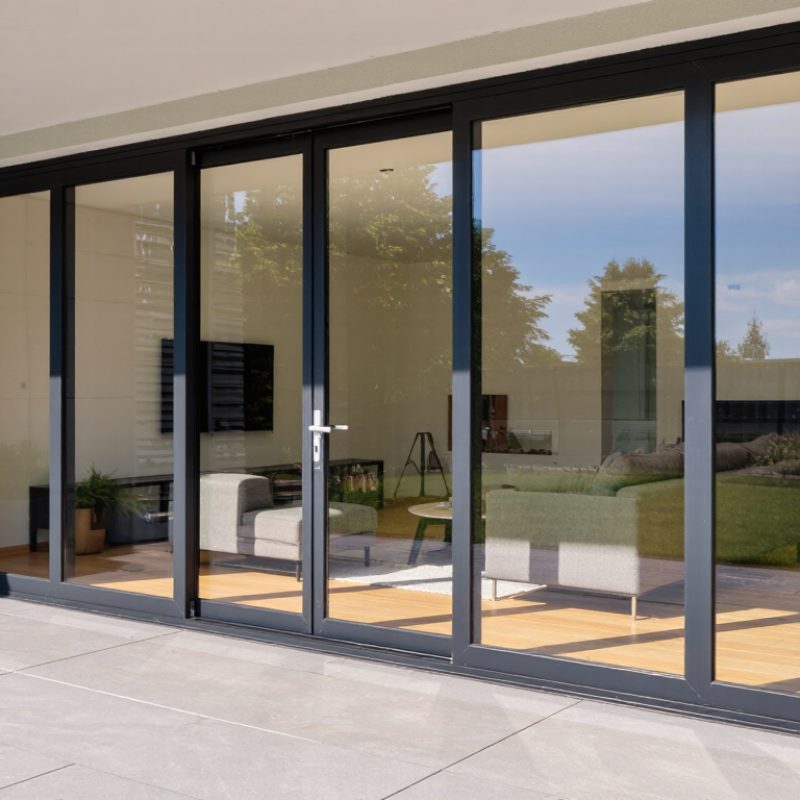
Sliding, folding, and hinged patio doors each solve different problems. Sliding models save floor space, while hinged doors can provide a more traditional entry experience. Folding systems create a dramatic opening, but their hardware needs careful alignment and regular cleaning. Energy performance also deserves close inspection. Look for suitable glazing, low-emissivity coatings, insulated frames, and reliable weather seals.

The perfect choice does not exist.

A realistic decision balances appearance, budget, maintenance, security, accessibility, and long-term performance. I would not choose based on glass size alone. A smaller, well-installed door may perform better than a larger model with weak sealing. Before ordering, measure the opening twice, examine sample hardware, and test the locking action. Small details often decide whether patio doors feel effortless or frustrating after installation.
How to Choose the Best Patio Doors in 2026?

Patio Door Types and Their Key Differences

Choosing patio doors in 2026 starts with understanding their differences, not chasing the newest appearance. Sliding doors suit limited spaces because their panels move along a track. They do not swing into furniture or walkways. However, the track collects grit quickly. Regular cleaning matters.

French doors open inward or outward from a central meeting point. They provide a wider, traditional entrance and can improve airflow. They also require clear floor space. Folding doors use several connected panels that stack beside the opening. Their large opening feels impressive, but more hinges and seals may require careful adjustment. Lift-and-slide doors move heavy panels with less effort after the handle engages the lifting mechanism. They often suit wide openings, though installation costs can rise.

Measure the opening, nearby furniture, and walking path before choosing. A 72-inch opening may not leave enough room for two hinged panels. In practical site assessments, threshold height often causes more trouble than the door style. A low threshold helps accessibility but may demand better drainage outside. Check the frame material too. Fiberglass resists moisture, aluminum offers slim sightlines, and wood brings warmth but needs maintenance. Glass selection affects comfort. Low-emissivity glass and insulated panes can reduce heat gain beside a sunny deck. Still, no option is perfect. A beautiful door can feel disappointing when its handle is awkward or its track becomes noisy. Use a detailed measurement, test the hardware, and question the installer about water management.

How to Choose the Best Patio Doors in 2026?

Patio Door Types and Their Key Differences

How to read this chart: Larger clear openings create wider views and easier movement between indoor and outdoor spaces. Sliding doors save interior floor space, while hinged French doors offer a traditional entry feel. Bi-fold, multi-slide, and lift-and-slide systems can create the widest openings but usually require more structural planning and a higher installation budget.

The figures show approximate maximum clear-opening widths commonly available in residential configurations. Actual dimensions vary according to panel size, structural limits, local building codes, and installation design.

How to Assess Your Home’s Space, Layout, and Climate

Choosing patio doors in 2026 starts with your room, not a showroom display. Measure wall width, ceiling height, and clear floor space around the opening. A wide sliding panel may look elegant, yet it can crowd a narrow dining area. Record furniture positions, walking routes, and where sunlight lands at noon. Small details matter. Check whether the door opens toward furniture, a garden path, or a frequently used grill.

Your climate should guide the frame, glass, threshold, and drainage design. In hot regions, low-solar-gain glazing can reduce afternoon heat near west-facing doors. Cold or windy homes need strong weather seals and insulated frames. Wet climates demand a raised, well-drained threshold, especially where patios collect water. Coastal air can accelerate corrosion, so ask about tested resistance and maintenance needs. Do not rely on a single energy label. Local exposure can matter more than a general rating.

View the opening during different weather and daylight conditions, when possible. Notice drafts, glare, condensation, and nearby road noise. Ask a qualified installer to verify structural support before ordering. A beautiful door is a poor choice if the wall needs expensive changes. I have seen homeowners measure only the existing frame and miss interior trim, uneven floors, or exterior drainage. Recheck everything. The first plan is not always right. Leave enough clearance for handles, screens, curtains, and future repairs.

Which Materials, Glass, and Energy Features Matter Most

How to Choose the Best Patio Doors in 2026?

Material affects comfort, maintenance, and long-term performance. Fiberglass resists warping and handles temperature changes well. Vinyl usually costs less and needs little upkeep. Wood offers warmth, but it demands careful sealing. Aluminum frames look slim and modern. However, they need effective thermal breaks to limit heat transfer. The U.S. Department of Energy estimates that windows and doors can represent 25–30% of residential heating and cooling energy use. That figure makes frame quality more than a design decision.

Glass deserves closer attention. Low-emissivity coatings reduce radiant heat transfer while preserving daylight. Double glazing suits many homes, but triple glazing can improve comfort in colder regions. Argon-filled spaces add insulation. The National Fenestration Rating Council advises comparing whole-unit U-factor and solar heat gain coefficient, not glass claims alone. Lower U-factor generally means better insulation. SHGC should match local sunlight and climate. A bright west-facing room may need lower SHGC.

Do not chase the highest performance label blindly. It can increase cost and weight. Check air leakage ratings, drainage design, and installation details. ENERGY STAR criteria provide useful regional benchmarks, but local exposure still matters. I have seen excellent doors perform poorly after rushed fitting. That is the uncomfortable part. Ask for NFRC-certified ratings, written warranties, and tested hardware cycles. Also inspect the threshold height. A beautiful door that admits drafts or rain is not efficient in practice.

How to Compare Security, Durability, Maintenance, and Accessibility

How to Choose the Best Patio Doors in 2026?

Security should begin with the frame, not the handle. Look for laminated or tempered glass, multi-point locking, reinforced strike areas, and anti-lift protection. The FBI’s Crime Data Explorer records burglary trends, but it does not prove that one door design prevents every break-in. That limitation matters.

Durability depends on testing and installation. Check for performance ratings under AAMA/WDMA/CSA 101/I.S.2/A440, including water, air, and structural tests. The U.S. Department of Energy reports that windows and doors can represent 25–30% of household heating and cooling energy use. Low-emissivity glazing and tight weatherstripping may reduce drafts, but poor installation can defeat expensive materials. I have seen small sill gaps create large winter problems.

Maintenance should feel ordinary. Choose corrosion-resistant hardware, replaceable rollers, accessible drainage channels, and finishes suited to local sunlight and moisture. NFRC ratings help compare U-factor and solar heat gain, rather than relying on showroom language. Still, published ratings are not a substitute for checking the actual wall opening.

Accessibility deserves equal attention. Measure threshold height, opening force, handle reach, and clear passage width with a real wheelchair or mobility aid. ADA Standards specify a maximum five-pound opening force for many interior non-fire doors, though patio-door conditions may differ. A flush threshold can improve access, yet it may require better drainage design. I would not ignore that trade-off. Test the door after installation, with one hand and no special effort.

How to Choose the Best Patio Doors in 2026?

Compare common patio-door configurations by security, durability, maintenance, and accessibility before selecting a door for your home.

Patio Door Comparison Guide — Typical Residential Performance
Patio Door Type Best Use Security Durability Maintenance Accessibility Important Selection Details
Hinged Fiberglass Door Traditional entry-style patio access and frequent daily use High
A solid core, reinforced frame, multi-point lock, and laminated or properly glazed safety glass can provide strong resistance to forced entry.
High
Fiberglass resists moisture, dents, and dimensional movement better than many wood products.
Low
Usually requires periodic hardware lubrication, weatherstrip inspection, and glass cleaning.
Medium to High
A wide leaf and low threshold can provide a generous clear opening, but the swing area must remain unobstructed.
Check the clear opening, threshold height, door closer force, hinge adjustment, and resistance to air and water infiltration.
Hinged Steel Door Security-focused applications and high-traffic entrances Very High
Steel panels and reinforced lock areas can offer excellent resistance to impact when the frame and strike system are also properly reinforced.
High
Strong and dimensionally stable, although exposed scratches can lead to corrosion if the protective finish is not repaired.
Medium
Inspect the finish, weather seals, hinges, and lower edge for scratches, moisture damage, or rust.
Medium
Can be ordered with a low threshold and wide opening, but the heavier door may require more operating force.
Look for corrosion protection, insulated construction, a properly reinforced frame, and a threshold that limits trip risk.
Wood Hinged Door Architectural character, custom sizes, and naturally warm interiors Medium to High
Security depends heavily on the lockset, frame, hinges, strike reinforcement, and type of glazing.
Medium
Quality wood can perform well, but humidity and water exposure may cause swelling, warping, or finish deterioration.
High
Exterior paint or stain must be inspected and renewed as needed, especially on exposed edges and horizontal surfaces.
Medium to High
Wide leaves and custom low thresholds are available, but door weight and seasonal movement may affect operation.
Use durable exterior finishes, adequate overhang where possible, corrosion-resistant hardware, and sealed end grain.
Sliding Vinyl Door Compact patios, decks, and areas where a swinging door would use valuable floor space Medium
Security improves with a multi-point lock, anti-lift blocks, a reinforced keeper, and laminated or impact-rated glazing where appropriate.
Medium to High
Vinyl resists rot and corrosion, but rollers, tracks, seals, and frame movement can affect long-term performance.
Low
Keep the track clean, adjust or replace rollers when necessary, and inspect weather seals.
High
No swing clearance is needed, and a low-profile threshold can improve mobility; the active panel may still require pulling force.
Compare the actual clear opening rather than the nominal unit size, and verify smooth operation under expected loads.
Sliding Aluminum Door Large glass areas, contemporary designs, and wide exterior views Medium to High
Strength is good when the frame, rollers, lock, and glass package are engineered together; anti-lift protection is important.
High
Aluminum does not rot and is resistant to many forms of weather damage, but thermal expansion and surface corrosion vary by finish and environment.
Low
Routine track cleaning, roller adjustment, hardware lubrication, and seal inspection are normally sufficient.
High
Sliding operation avoids swing clearance, while accessible thresholds and appropriately sized handles can improve usability.
Choose thermally improved frames in cold or hot climates, corrosion-resistant finishes near saltwater, and tested water-management details.
Folding or Multi-Panel Door Very wide openings and indoor-outdoor entertaining areas Medium to High
Security depends on the number and quality of locking points, panel alignment, hinges, tracks, and glazing.
Medium to High
More moving panels and hardware create more adjustment points than a basic hinged or sliding unit.
Medium
Tracks, hinges, seals, rollers, and panel alignment need periodic cleaning and adjustment.
Medium
Provides a large opening, but multiple panels, floor tracks, and operating force can be challenging for some users.
Confirm the stacked-panel space, sill design, drainage, operating force, weather performance, and available replacement hardware.

How to compare: Prioritize a reinforced frame and tested locking system for security; moisture-resistant materials and replaceable hardware for durability; accessible thresholds and low operating force for mobility; and simple tracks, seals, and finishes for low maintenance.

Ratings are comparative guidance for typical residential products, not guarantees or product certifications. Actual performance depends on installation quality, climate, exposure, glazing, hardware, maintenance, and compliance with applicable local building and accessibility requirements.

How to Select the Right Patio Door and Plan Installation in 2026

Choosing patio doors in 2026 starts with the opening, not the handle. Measure the rough opening, wall thickness, threshold height, and drainage path. A beautiful door can still leak if the sill lacks proper support. The U.S. Department of Energy estimates that windows and doors may account for 25–30% of residential heating and cooling energy use. Therefore, compare U-factor, solar heat gain coefficient, visible transmittance, and air leakage ratings.

Climate should guide the specification. In colder regions, select a lower U-factor and insulated frames. In sunny climates, a lower solar heat gain coefficient can reduce unwanted afternoon heat. The National Fenestration Rating Council explains that standardized ratings help buyers compare products under consistent testing conditions. Check the label. Do not rely on glass appearance alone.

Installation planning deserves equal attention. Use a sill pan, compatible flashing, sealed fasteners, and backer rod where required. Follow the manufacturer’s tested installation method and local building requirements. During site inspections, even a few millimeters of poor shimming can affect door movement and weather sealing. Small details matter.

I would not choose the widest opening automatically. Larger panels may require stronger framing, wider structural support, and more careful handling. Leave space for seasonal movement. Confirm delivery access, floor protection, and interior trim before ordering. The plan may look perfect on paper, but existing walls often reveal surprises.

Go to Top