
Choosing residential windows is not just a matter of matching frames to a paint color. The right choice can affect daylight, comfort, noise, and heating or cooling needs. Yet product labels can feel confusing. U-factor, solar heat gain, frame material, glazing, and installation all deserve attention. Details matter.
Window researcher John Carmody, co-author of Residential Windows: A Guide to New Technologies and Energy Performance, offers a useful principle through his work: select windows for the building, climate, and occupants—not appearance alone. That means a sunny room may need different glass from a shaded bedroom. A busy street may make sound control more important than a slim frame. And even a high-performing unit can disappoint if it is poorly installed. Looks can mislead.
This guide explains how to compare window styles, materials, energy ratings, and glazing options. It also considers orientation, local weather, maintenance, and the installer’s role. A small detail, such as how a sash opens above a kitchen sink, can matter every day. So can the view from a desk at four in the afternoon. No choice is perfect. The best residential windows balance performance, cost, appearance, and practical use—and that balance may take a little reconsideration.
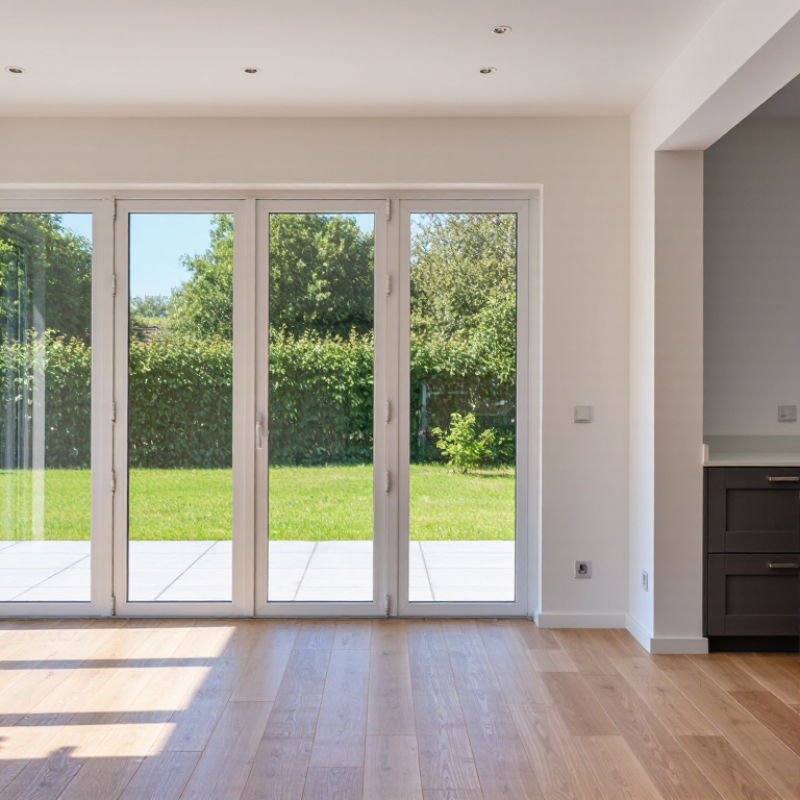
A window choice should solve a real problem, not just look good in a sample. Walk through each room at different times of day. Notice cold air near the sill, glare on a screen, traffic noise, or condensation on the glass. A north-facing room may need different solar control than a sunlit west-facing room. Small details matter. The U.S. Department of Energy’s Energy Saver guidance estimates that heat gain and loss through windows account for about 25–30% of residential heating and cooling energy use. That makes comfort and energy performance worth measuring.
Match specifications to your home’s climate and layout. Compare U-factor, which indicates heat flow, and solar heat gain coefficient, which measures admitted solar heat. The National Fenestration Rating Council’s label provides tested ratings for comparing products. Also check frame material, glass options, opening style, cleaning access, and any safety or ventilation needs. I would not treat one rating as the whole answer; that shortcut can overlook glare, noise, or difficult maintenance.
Tips: Photograph problem areas, note room orientation, and record drafts or condensation during cold weather. Ask a qualified installer to inspect the frame and surrounding wall before recommending replacement. Keep the product rating label and written installation details. It is easy to overlook the installation.
How to Choose the Best Residential Windows?
Compare Window Styles, Frame Materials, and Glazing Options
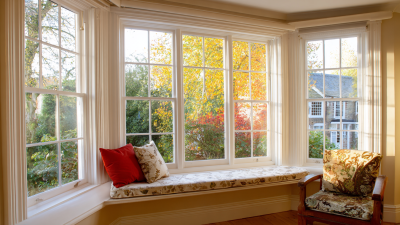
Window style affects ventilation, cleaning, and how a room feels. Casement windows crank outward and can catch breezes, while double-hung windows let you open either sash. Sliding windows suit wide openings, though their tracks need regular cleaning. Small details matter. Check how each style operates near furniture, curtains, and walkways before choosing.
Frame materials influence upkeep and insulation. Vinyl frames generally need little maintenance, while wood offers a warm finish but needs protection from moisture. Fiberglass is stable through temperature changes, though it may cost more upfront. Aluminum frames are slim and strong, but can transfer heat unless they include a thermal break. Ask about frame construction, warranties, and expected maintenance—not just the sample finish.
Glazing deserves equal attention. Double-pane glass is common; low-emissivity coatings can help limit heat transfer, and gas fills may improve insulation. In a sunny room, solar-control glazing can reduce glare and overheating. In colder areas, prioritize insulation and check for condensation risks. There is no perfect combination. Compare the window’s performance ratings with your climate, wall orientation, and budget, then request installation details. A high-rated window can still disappoint if it is poorly fitted.
| Category | Option | Key Advantages | Considerations | Best Suited For |
|---|---|---|---|---|
| Window Style | Casement | Hinged at the side and opens outward; the sash can catch breezes, and the compression seal can provide good resistance to air leakage when closed. | Needs exterior clearance to open; hardware may require periodic adjustment. | Rooms where ventilation and an unobstructed view are priorities. |
| Window Style | Double-hung | Both sashes move vertically on many models; can provide ventilation at the top and bottom and is easy to use with screens. | Air leakage and ease of cleaning vary by design; some models tilt inward for cleaning. | Traditional homes and locations where outward-opening sashes are not practical. |
| Window Style | Sliding | One or more sashes move horizontally; does not project outward and is simple to operate. | Only part of the opening may be available for ventilation; tracks need to be kept clean. | Wide openings, patios, and spaces with limited exterior clearance. |
| Window Style | Fixed (Picture) | Does not open, so it can offer a broad view and generally strong air-tightness when properly installed. | Provides no ventilation; large glass areas can increase solar heat gain unless glazing is selected carefully. | Views, daylight, and areas paired with operable windows. |
| Frame Material | Vinyl (PVC) | Low maintenance and resistant to moisture; many multi-chamber designs help limit heat transfer through the frame. | Color and finish choices may be limited; performance and durability differ between products. | Buyers seeking a practical, low-maintenance option. |
| Frame Material | Wood | Naturally insulating and can be painted or stained; suits many traditional architectural styles. | Interior or exterior finishes may need upkeep; prolonged moisture exposure can damage the material. | Homes where appearance and finish flexibility are important. |
| Frame Material | Fiberglass | Dimensionally stable across temperature changes and can be made with insulated cavities; typically needs little maintenance. | Often costs more than basic vinyl; availability and finish options vary. | Projects prioritizing stability and long-term performance. |
| Frame Material | Aluminum | Strong and lightweight, allowing relatively slim frame profiles and large glazed areas. | Conducts heat readily; thermal breaks are important in many climates to reduce heat transfer and condensation risk. | Modern designs and large openings, especially with thermally improved frames. |
| Glazing | Double-pane insulating glass | Two panes separated by a sealed space generally reduce heat transfer compared with single-pane glass. | Performance depends on the whole window, including frame, spacer, seals, and installation. | A common starting point for energy-conscious residential replacements. |
| Glazing | Triple-pane insulating glass | Three panes can improve insulation and indoor comfort, particularly in cold conditions. | Usually heavier and more expensive; may reduce visible light compared with some double-pane configurations. | Cold climates, noise-sensitive locations, or projects with demanding comfort goals. |
| Glazing | Low-E coating | A thin coating helps control heat transfer; the appropriate coating can reduce winter heat loss or limit unwanted solar heat gain. | Coating choice should match climate, orientation, and daylight needs; Low-E is not a single universal specification. | Most climates, with coating selection tailored to local conditions. |
| Glazing | Argon- or krypton-filled sealed unit | Gas between panes can reduce heat transfer compared with ordinary air in the cavity. | Gas fill is used with sealed insulating glass; long-term performance depends on seal quality and product construction. | Insulating glass units designed to improve thermal performance. |
| Glazing | Laminated glass | A plastic interlayer holds glass fragments together if the glass breaks and can help reduce some outside noise. | It is not automatically a complete security solution; frame, hardware, and installation also matter. | Locations where added impact safety or noise control is desired. |
Selection tip: Compare whole-window ratings, not glass alone. Look for certified U-factor and Solar Heat Gain Coefficient (SHGC) values appropriate to your climate, and consider air leakage, visible transmittance, installation quality, and local building requirements. Ratings and performance vary by product and configuration.
When comparing residential windows, read the performance label rather than relying on broad claims like “energy efficient.” A lower U-factor generally means less heat passes through the window. Solar heat gain ratings matter too: in a cold climate, some sunlight can help warm a room, while strong afternoon sun may make a shaded or lower-gain option more comfortable. Check air leakage figures and compare products tested under the same rating system. Installation still matters. A well-rated window can lose performance if gaps around its frame are poorly sealed.
Durability is easier to judge when you look at parts, not just the frame material. Inspect corner joints, drainage paths, weather seals, and the feel of the operating hardware. Open and close a sample if possible; rough movement may hint at poor adjustment, though one sample cannot tell the whole story. Ask how the finish handles sun exposure and moisture, and what routine care the window needs. I would not assume that the most expensive option lasts longest.
Safety features should match the room and the people using it. Secure locks, reinforced meeting rails, and sturdy frames can make forced entry more difficult. In areas where glass may be struck, safety glazing can reduce injury risk; local building requirements vary, so confirm the right specification for each opening. For upper floors, check that window guards or opening controls do not block emergency escape where it is required. Small details count. A lock that is hard to reach may be secure on paper, but frustrating in daily use.
How to Choose the Best Residential Windows?
Measure the opening, not just the old sash. Record width at the top, middle, and bottom, then use the smallest reading. Repeat for height, and check both diagonal measurements for a square opening. Small gaps matter. Note whether the installer will use a replacement-frame or full-frame method; each affects trim, insulation access, and the finished opening. A full-frame job can expose hidden rot, but it may also disturb interior finishes. I would verify the scope in writing, because “standard installation” can mean different things.
Local building codes can shape the choice as much as glass performance. Ask the building department or a qualified contractor about permits, emergency escape openings, safety glazing near doors or tubs, and required wind or energy ratings. Rules vary by location and project. The U.S. Department of Energy’s Energy Saver guidance estimates that windows account for about 25% to 30% of residential heating and cooling energy use. That makes accurate fitting and proper sealing important, not cosmetic. Compare the National Fenestration Rating Council label for U-factor and solar heat gain coefficient, then check those values against local requirements. I still think measurements deserve a second visit; rushing that step is an easy, costly mistake.
A practical field checklist: measure the opening width at the top, middle, and bottom; measure the height at the left, center, and right; and compare both diagonals to check whether the opening is square. These are measurement steps, not building-code requirements.
After measuring, follow the window manufacturer's installation instructions and check local building codes and permit requirements before installation.
When choosing residential windows, compare the full cost, not just the price on the quote. Include installation, trim repairs, disposal, and any needed changes to blinds or screens.
The U.S. Department of Energy estimates that heat gain and loss through windows account for 25–30% of residential heating and cooling energy use.
That is a national estimate, not a promise of savings for every home. Orientation, air leaks, and local weather matter.
The 2024 Cost vs. Value report puts the average U.S. vinyl-window replacement project at about $21,264, with an estimated 67.1% cost recouped at resale. Regional prices vary, and resale value is not the same as lower energy bills.
Compare written quotes with the same window size, glass features, installation scope, and cleanup. Then read warranty terms carefully: glass, frames, hardware, labor, and transferability may have separate limits. A long warranty can still be restrictive. Check required cleaning, drainage-channel care, and whether repairs need approved service.
Tips: Ask for itemized costs and a sample warranty before signing. Photograph existing frames and note drafts or sticking sashes; those details help you assess the work later. Leave room in the budget for surprises. Even careful estimates miss things.
We serve the Greater Milwaukee area: Waukesha, Milwaukee, Washington, Ozaukee Counties and nearby areas, including Germantown, Menomonee Falls, Mequon, Cedarburg, Thiensville, Grafton, Jackson, West Bend, Hartland, Waukesha, Brookfield, West Allis, Franklin, Greenfield and more. We are Wisconsin’s Best Contractor for Replacement Windows, Doors, Siding & Roofing!
Address:
N112 W14880 Mequon Road
Germantown, Wisconsin 53022
Phone:
Email:
Monday: 9am – 5pm
Tuesday: 9am – 5pm
Wednesday: 9am – 5pm
Thursday: 9am – 5pm
Friday: 9am – 4:30 pm
Saturday by Appointment
Evenings by Appointment