What is Stainless Steel and Why is it Essential for Industries?
Stainless Steel is a crucial material in various industries, known for its durability and corrosion resistance. According to a report by Grand View Research, the global stainless steel market was valued at over $120 billion in 2020 and is expected to grow steadily. This growth highlights its significance in sectors like construction, automotive, and manufacturing.
Industry expert Dr. Michael Smith, a recognized authority in metallurgy, emphasizes, "Stainless Steel is not only vital for structural integrity, but also enhances safety and efficiency." His insights reflect the material's pivotal role in modern applications. Beyond its physical properties, there are challenges to address. The production process can be energy-intensive. Recycling and sustainability issues pose concerns that require innovation.
Despite its advantages, the market is not without struggle. Price fluctuations can impact projects relying heavily on stainless steel. Furthermore, understanding the different grades and their applications is essential for maximizing benefits. As industries evolve, the importance of stainless steel will continue to grow, necessitating ongoing research and expertise.
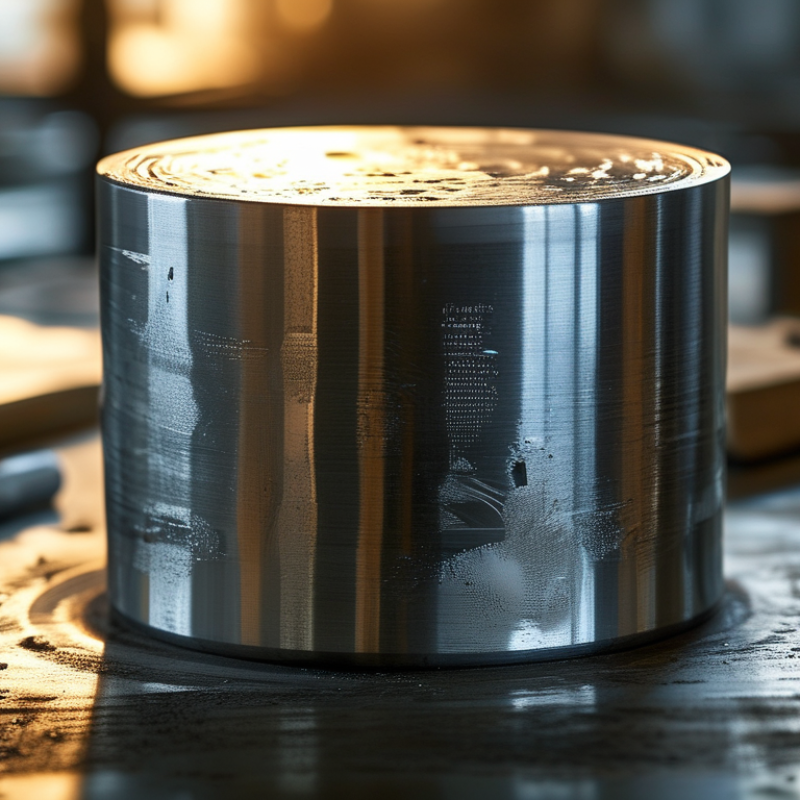
Definition and Composition of Stainless Steel: Understanding the Basics
Stainless steel is a crucial material in various industries. Its definition is straightforward: it is an alloy primarily composed of iron, carbon, and chromium. The chromium content, usually at least 10.5%, prevents the iron from rusting. This makes stainless steel resistant to corrosion. Its unique properties arise from this specific composition. The inclusion of nickel and molybdenum further enhances its strength and durability.
Understanding stainless steel's basics involves knowing its different grades. These grades determine the specific applications of the material. For instance, some grades are ideal for high-temperature environments, while others excel in marine applications. However, not all stainless steel is truly stainless; some may stain under extreme conditions.
Producers must comprehend these nuances. Not every type will suit every industrial need. Developing a thorough knowledge of the material ensures better choices. Industries need to weigh costs against benefits. Quality is paramount, but sometimes it is compromised for affordability. This is a challenge in sourcing stainless steel that meets exact specifications. The need for trustworthy suppliers remains critical in this decision-making process.
Types of Stainless Steel: Variants and Their Unique Properties
Stainless steel is a versatile material used in many industries. It is known for its resistance to corrosion and staining. Various types of stainless steel offer unique properties, making them suitable for specific applications.
Austenitic stainless steel is the most common type. It contains high levels of nickel and chromium. This makes it highly resistant to corrosion. It's often used in kitchen appliances and food processing equipment. However, it is not magnetic, which might be a drawback in some contexts.
Ferritic stainless steel, on the other hand, contains less nickel. It is magnetic and has good resistance to stress corrosion. This type is often seen in automotive applications and industrial components. Martensitic stainless steel, with higher carbon content, provides excellent strength. It is less resistant to corrosion than the other types. This variation can limit its use in harsh environments.
These distinctions are essential to consider when choosing stainless steel. Each type serves specific needs, but limitations exist. Understanding these properties is crucial for making informed decisions in industrial applications.
Applications of Stainless Steel in Various Industries: An Overview
Stainless steel is a versatile material widely used across various industries. Its unique properties make it essential for applications in construction, automotive, and food processing. The material is resistant to corrosion, which ensures durability in harsh environments. In the construction industry, stainless steel provides structural support and aesthetic appeal. Buildings and bridges often feature stainless steel for its strength and longevity.
In the automotive sector, stainless steel components enhance vehicle performance and safety. Exhaust systems, fuel tanks, and trim parts benefit from its resistance to rust and heat. Food processing industries also rely on stainless steel for equipment and surfaces. It is easy to clean and maintains high hygiene standards, crucial for food safety.
**Tips for Choosing Stainless Steel:**
Consider the grade of stainless steel suitable for your application. Different grades offer varying levels of resistance and mechanical properties. Not all stainless steel is created equal, so research is vital. Always factor in the environment and specific needs of your industry when selecting materials. Regular maintenance can enhance the lifespan of stainless steel products.
While stainless steel is robust, it can still face challenges. Sources of contamination during manufacturing need to be addressed. Ensure your supply chain emphasizes quality control to avoid pitfalls. Investing time in understanding these factors can lead to better durability and performance in your projects.
Advantages of Using Stainless Steel: Why It Matters for Industrial Use
Stainless steel stands out in industrial applications due to its remarkable properties. It resists corrosion, ensuring longevity in harsh environments. For instance, in food processing, stainless steel prevents contamination. This helps maintain hygiene standards. Moreover, stainless steel can endure high temperatures without losing strength. This durability makes it a favorite for machinery and equipment.
Another significant advantage is its aesthetic appeal. Stainless steel retains its shine and can be easily cleaned. This is important in industries like hospitality, where appearance matters just as much as functionality. However, the initial cost of stainless steel can be higher than other materials. This might deter some businesses during budgeting. Nonetheless, the long-term benefits often outweigh the upfront investment.
Sustainability is another factor. Stainless steel is recyclable and reduces waste in landfills. It’s a choice that reflects a commitment to environmental responsibility. Despite its many advantages, some industries still hesitate to adopt stainless steel fully. Concerns about maintenance and cost can be barriers. Addressing these issues can help maximize the potential of this essential material.
Stainless Steel Usage in Various Industries
The following chart illustrates the percentage of stainless steel usage across different industries, highlighting its importance in sectors such as construction, automotive, and food processing.
Environmental Impact and Sustainability of Stainless Steel Production
Stainless steel is a vital material in many industries due to its durability and resistance to corrosion. However, its production raises environmental concerns that must be addressed. The manufacturing process requires significant energy and resources, leading to greenhouse gas emissions. These emissions contribute to climate change, which impacts ecosystems and communities globally. Understanding this impact is essential for businesses and consumers.
Sustainable practices in stainless steel production are crucial. Recycled stainless steel can reduce the energy needed for manufacturing. Utilizing renewable energy sources also minimizes carbon footprints. Industry leaders are encouraged to adopt these sustainable methods.
Tips: Consider using products made from recycled stainless steel. They are often just as strong but have a lower environmental impact. When choosing materials, prioritize those certified to meet sustainability standards. Remember, every small action counts in preserving our planet.