Top Tips for Choosing the Best Entry Doors for Your Home
Choosing the right entry doors for your home is a significant decision. They are more than just a way to enter; entry doors shape your home's first impression. A well-chosen door can enhance curb appeal and improve security. Many homeowners overlook the impact of materials, styles, and functionality. Each choice can reflect your personality and values.
Quality matters when selecting entry doors. Wood provides warmth and character, while fiberglass offers durability and low maintenance. Steel doors are strong but may lack aesthetic variety. Think about your climate. A proper fit can enhance insulation. Poor choices here can lead to energy loss. Energy-efficient doors save money in the long run, despite a higher upfront cost.
Someone might be tempted to rush this choice. But taking time could yield a door that stands the test of time. Measure twice and consider local building codes. Reflect on your lifestyle and needs. A beautiful entry door can invite guests in while keeping unwanted elements out. The right entry doors are an investment worth making.

Understanding the Importance of Entry Doors in Home Design
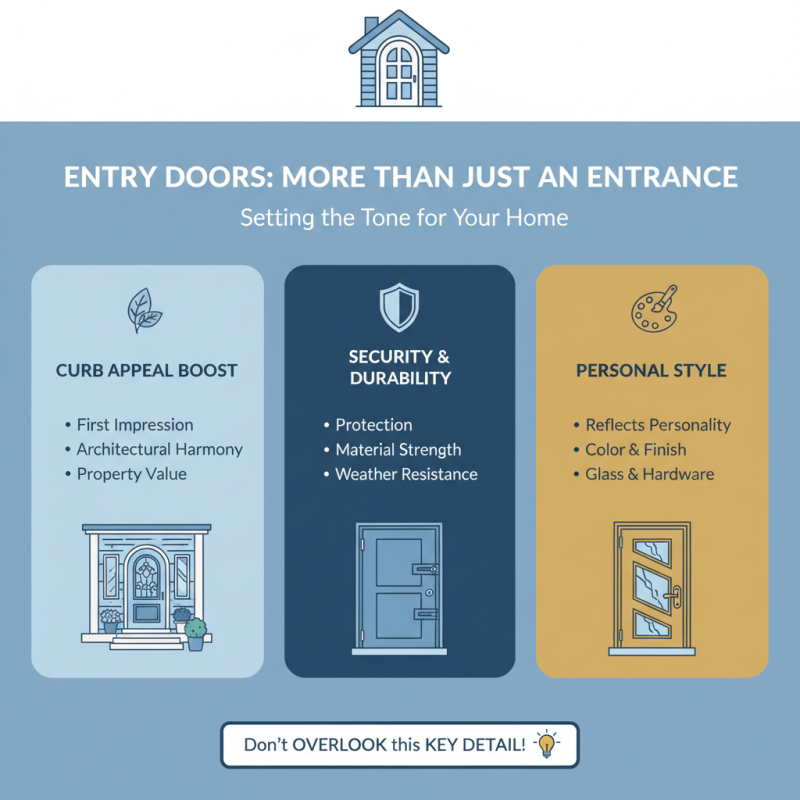
Entry doors are more than just entry points; they set the tone for your entire home. A well-chosen door enhances curb appeal and provides security. It’s the first thing guests see, so it needs to reflect your style. However, many homeowners overlook this detail.
Choosing the right entry door can be overwhelming. Consider your home’s architecture and the door's material. Wood offers warmth but requires maintenance. Steel provides durability but may lack character. Each choice has pros and cons. It's essential to weigh factors like climate and location when making a decision.
Reflection on personal needs is crucial. Some might prioritize aesthetics over security, while others focus on energy efficiency. Ask yourself what matters most. Your entry door should harmonize with your lifestyle. Finding the perfect balance can be challenging, but it’s a worthwhile endeavor for your home design.
Key Factors to Consider When Selecting Entry Doors
Choosing the right entry door for your home involves several key factors. One of the first things to consider is security. A sturdy door can deter potential intruders. Look for doors made from solid materials. Steel and fiberglass options offer great protection. Think about additional features, like deadbolt locks, to enhance security.
Another important factor is insulation. Proper insulation can help maintain energy efficiency. A well-insulated door minimizes heat loss in winter and keeps cool air in during summer. This can lead to significant savings on your energy bills. Pay attention to the door’s R-value, which indicates its insulation properties.
Aesthetic appeal plays a vital role as well. Your entry door should reflect your home’s style. Consider colors and finishes that complement your exterior. Don't shy away from bold choices; they can enhance curb appeal. After choosing all these factors, take a moment to reflect on your decision. Ensure your choice meets your family’s practical needs while also making a strong first impression.
Exploring Different Materials for Entry Doors
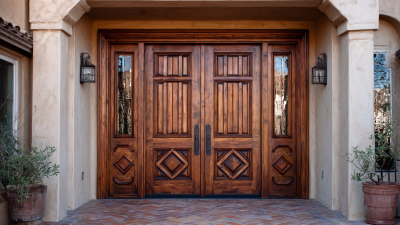
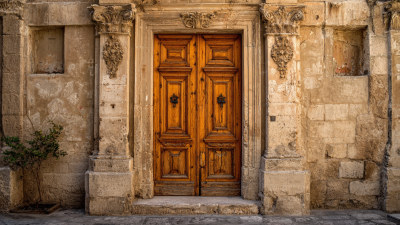
When selecting the right entry door for your home, material is a key factor. Different materials offer varying degrees of durability, security, and aesthetics. Wood, for example, provides a classic and timeless appeal. It can be easily customized with stains and paints. However, wood requires regular maintenance to prevent warping and decay.
Fiberglass doors are another excellent option. They mimic the look of wood but are much more resistant to the elements. This makes them a great choice for homeowners in harsher climates. They offer a strong insulative value, keeping your home comfortable year-round.
Metal doors, such as steel, provide superior security. They are sturdy and difficult to breach, making them ideal for safety. However, they can be prone to dents and rust if not properly cared for.
Tips:
Choose a door that complements your home’s exterior. Both aesthetic and functional aspects are important.
Consider energy efficiency ratings when making your choice. A good door can save on energy costs.
Reflect on the long-term upkeep each material requires. Some may need more attention than others.
Evaluating Aesthetic Options and Styles for Entry Doors
Choosing the right entry door can dramatically enhance your home's curb appeal. When evaluating aesthetic options, consider colors that resonate with your exterior. A bold red door may evoke warmth, while a classic blue can provide tranquility. Think about the architectural style of your home. A modern house might suit a sleek, minimalist door, while a traditional home may call for ornate details.
Material also plays a crucial role in both aesthetics and durability. Wood exudes elegance, but requires upkeep. Metal doors can offer a contemporary look with low maintenance. Glass accents can brighten your entryway, but consider privacy. Reflect on how different styles align with your personality and the overall vibe of your neighborhood. Does your door invite guests or is it imposing?
It's essential to balance form and function. An attractive door should also be secure. Sometimes, appealing designs don't provide enough safety features. Find a style that reflects your taste but also meets security needs. Your entry door is often the first impression visitors receive. Make thoughtful choices that represent your home well while ensuring it remains a safe haven.
Budgeting and Installation Tips for Entry Doors
When choosing entry doors, budgeting is crucial. Start by determining how much you can spend. Consider all costs, including materials, labor, and additional features. This clarity helps avoid unexpected expenses later.
One tip is to prioritize quality over price. Cheaper doors may result in higher long-term costs due to replacements. Invest in durable materials that resist weathering. Look for insulated options to improve energy efficiency. A well-insulated door can save you money on heating and cooling.
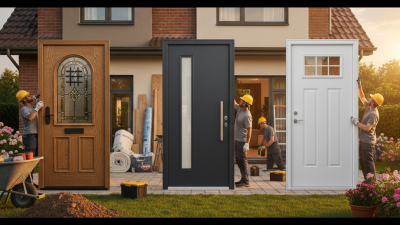
Installation is another key factor. If you’re not a skilled DIYer, hiring a professional may be wise. An improper installation can cause issues like draughts and damage. Ensure the installer is experienced and has good reviews. Don’t shy away from asking questions during the process. This can help clarify potential concerns.
Choosing the right entry door involves thoughtful planning. Evaluate your choices and consult various sources for insights. It’s essential to reflect on the long-term impacts of your decision.