Why Choose an Aluminum Sunroom?
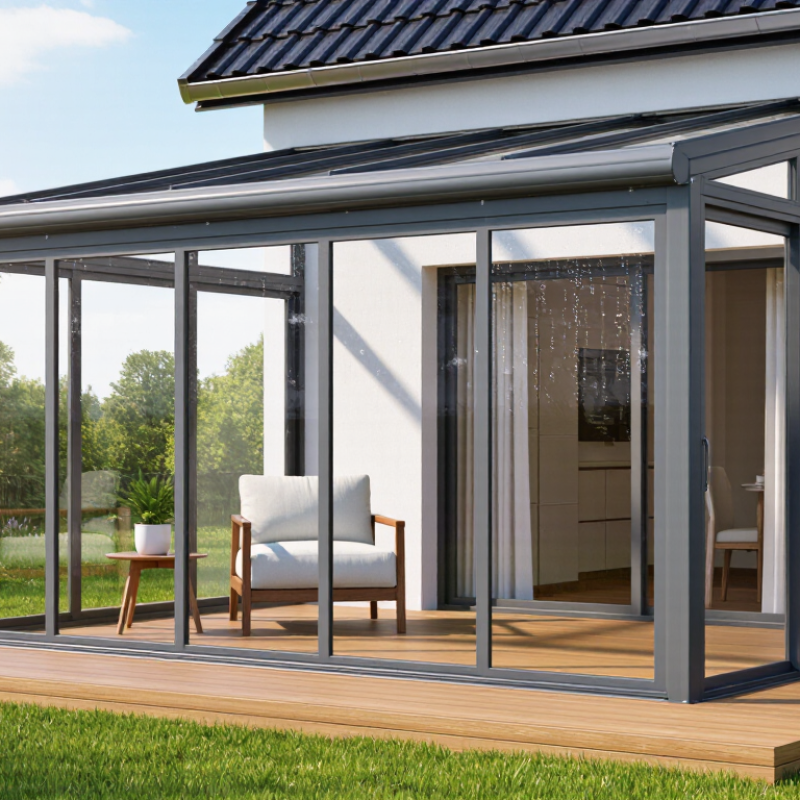
An Aluminum Sunroom can create a bright, practical connection between your home and garden. Imagine morning light across a reading chair, with rain tapping softly on the roof. Aluminum frames make this kind of addition possible without the bulky look of many traditional structures. They are lightweight, strong, and available in slim profiles that leave more room for glass. That means clearer views of trees, flower beds, or a small patio.
Looks are only part of the decision. Aluminum resists rust, but its finish and hardware still need sensible care. Frame design matters, too. A thermal break can reduce heat transfer through the metal, while suitable glazing helps manage cold, glare, and summer warmth. These features work together; choosing a frame alone will not guarantee year-round comfort. Poor sealing or drainage can still lead to drafts or water problems.
A well-planned sunroom should suit the local climate, the home’s existing structure, and the way people will use it. A quiet workspace needs different shade and ventilation choices than a breakfast nook. Small details count. Check how doors open, where rainwater drains, and whether the room overheats in afternoon sun. Aluminum is not perfect: lower-quality systems may feel cold, and glass can require regular cleaning. The right choice depends on careful measurements, reliable installation, and realistic expectations. When those pieces come together, an Aluminum Sunroom can offer lasting views and useful living space—not just an attractive extension.
What Defines an Aluminum Sunroom?
An aluminum sunroom is an enclosed space built with aluminum framing and extensive glazing, designed to bring daylight into a home while providing shelter from wind and rain. The frame supports roof panels, windows, doors, and the connections between them. Aluminum is light and corrosion-resistant, but it conducts heat readily. That detail matters. Thermally broken frames use an insulating material between the inner and outer sections to reduce heat transfer.
The glass and frame work as one system. Look for published U-factor and solar heat-gain coefficient ratings, which help describe heat flow and sunlight entering the room. The U.S. Department of Energy’s Energy Saver guidance estimates that heat gain and loss through windows account for about 25%–30% of residential heating and cooling energy use. This is not a sunroom-specific figure, but it shows why glazing choices deserve attention. A sunny south-facing room may need different glass and shading than a shaded porch.
Good detailing also defines the space: sealed joints, careful drainage, and roof panels suited to local weather. Ask for product performance ratings and installation specifications, not just frame dimensions. The National Fenestration Rating Council provides standardized ratings for window and door performance. Small gaps matter. In practice, even a well-designed frame can feel uncomfortable if seals or installation are poor. That part is easy to overlook.
How Aluminum Frames Provide Strength and Weather Resistance
An aluminum sunroom frame can feel surprisingly light, yet it provides a rigid structure for broad glass panels and long roof spans. That strength matters when wind pushes against exposed walls or rain drums on the roof. Properly sized members and secure connections help limit movement, though the right dimensions depend on local conditions and the room’s design.
Aluminum does not swell or rot like untreated wood, and a sound finish helps protect it from moisture and everyday exposure. But weather resistance is not automatic. Scratches, poorly sealed joints, and blocked drainage paths can invite corrosion or leaks over time. Small details count. Look for sloped sills, clear weep openings, and flashing that directs water away from the house. In colder or hotter climates, thermal breaks in the frame can reduce heat transfer and help limit condensation on interior surfaces. Still, inspect it. Even a durable frame needs occasional checks, especially after severe weather. A slightly loose fastener or a bead of sealant that has pulled away may seem minor, but addressing it early can prevent a larger repair.
Why Choose an Aluminum Sunroom?
Aluminum frames combine lightweight construction with useful strength and natural resistance to corrosion.
What this shows: 6063-T5 aluminum has a lower minimum tensile strength than ASTM A36 steel, but its strength-to-weight ratio makes it useful for carefully designed frame sections. Aluminum also forms a protective oxide layer when exposed to air, helping it resist weather-related corrosion. Frame performance depends on the profile design, connections, installation, and finish—not material strength alone.
Reference values: ASTM B221 for 6063-T5 aluminum extrusion and ASTM A36/A36M for structural steel. Aluminum value shown is a typical minimum; requirements can vary by section.
What Are the Maintenance and Energy Considerations?
An aluminum sunroom needs modest, regular care. Wash the frames with mild soap and water, then rinse grit from corners and tracks. Fine sand can scratch the finish if it is scrubbed in. Check sealant, drainage openings, and panel joints after hard rain. Look for loose fasteners or water marks near the sill. Small details matter. A neglected seal can let moisture in, even when the frame itself looks sound. Avoid harsh abrasives, which may dull the finish.
Energy performance depends on more than the frame material. The U.S. Department of Energy estimates that heat gain and loss through windows account for about 25%–30% of residential heating and cooling energy use. That estimate covers homes generally, not sunrooms alone. For comparisons, review NFRC-certified U-factor and solar heat gain coefficient (SHGC) ratings. Lower U-factor means less heat transfer; the preferred SHGC depends on climate, orientation, and shading.
Thermal breaks can reduce heat transfer through aluminum frames, but they do not make glazing irrelevant. Ask how the glass, frame, and seals perform as a complete assembly. Exterior shading may limit summer sun, while operable windows can help with ventilation on mild days. Still, ventilation is not a substitute for insulation. A sunroom can feel chilly beside a sunny window; that mismatch deserves attention before choosing the glazing.
How to Determine Whether an Aluminum Sunroom Fits Your Needs?
Start with the room’s job. Will it be a quiet reading nook, a dining area, or a place for plants? A lightweight aluminum frame can suit many layouts, but comfort depends on more than the frame. If you plan to use the space through hot summers or cold winters, check insulation, glazing, and ventilation before comparing appearance. That distinction matters.
Study the site at different times of day. Note where afternoon sun lands, how water drains after rain, and whether nearby trees drop leaves onto the roof. Aluminum transfers heat readily, so ask whether the frame includes thermal breaks. Check how windows open, too; a room that looks airy in a drawing may feel stuffy on a still day. Small details count.
Consider upkeep and the full installation cost, including the base, shading, and heating or cooling needs. Ask what cleaning the glass and roof will involve, and confirm that the proposed structure suits your home and local requirements. A sunroom can look perfect on paper and still become too hot beside a west-facing wall. If your budget cannot cover effective glazing or shade, a simpler enclosed porch may be the more comfortable choice.