
Choosing the right wood windows begins with more than appearance. It requires attention to climate, wall exposure, maintenance habits, and daily comfort. A beautiful window can still fail when its sill collects water or its glass faces harsh afternoon sun.
John C. Leeke, a historic-building consultant and respected window-preservation expert, has said, “The best way to preserve historic windows is to maintain them.” His advice remains practical for modern homeowners. Quality wood windows can offer warmth, repairability, and strong visual character. However, they need thoughtful detailing and regular care. Paint, seals, drainage paths, and hardware all matter.
Walk around your home before comparing products. Notice the rooms that feel cold near the glass. Check whether existing frames show peeling paint, soft wood, or dark moisture marks. These details reveal more than a showroom sample. They also help you choose suitable wood species, glazing, finishes, and opening styles.
No choice is perfect. Some homeowners underestimate maintenance, while others pay for features their climate does not need. A realistic decision balances beauty, energy performance, durability, and budget. Look for manufacturers with clear warranties, tested performance data, and repair support. Ask how the windows are finished, joined, sealed, and installed.
The best wood windows should fit your house, not merely impress you online. They should open smoothly, shed rain, and feel solid in your hand. Small details matter. This guide explores those details, including design, construction, energy efficiency, installation quality, and long-term ownership. Expect useful answers, but also a few trade-offs worth reconsidering.
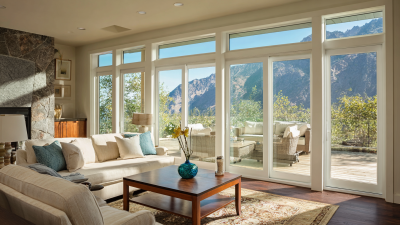
Choosing wood windows starts with your home’s needs, not a showroom photograph. Walk through each room at different times of day. Note glare, drafts, outside noise, privacy, and morning heat. South-facing glass may need a lower solar heat gain coefficient, while north-facing windows often benefit from stronger daylight.
The U.S. Department of Energy reports that windows can cause 25–30% of residential heating and cooling energy use. That makes glass performance more important than decorative details alone.
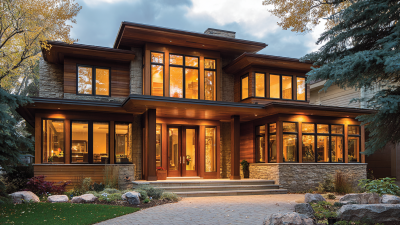
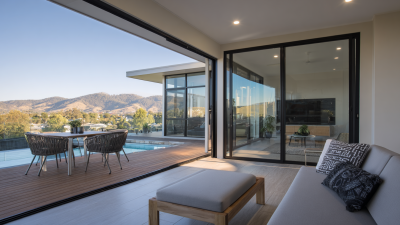
Match the window style to the building’s character. Casement windows suit clean, modern walls and provide strong ventilation. Double-hung windows can support traditional homes and are easier to clean from indoors. Wood adds warmth, but it needs careful paint or stain maintenance, especially near wet climates.
Check the National Fenestration Rating Council label for U-factor, solar heat gain coefficient, visible transmittance, and air leakage. These figures make comparisons more reliable. I once focused too heavily on appearance. It looked right, but the room still felt cold.
Tips:
Test a full-size sample beside your flooring and trim. Ask about the wood species, finish warranty, drainage design, and repair process. Choose low-e glazing when climate and orientation justify it. Avoid oversized windows if shading and cooling costs are concerns. Measure furniture clearance too. A beautiful window that blocks a desk is not a successful choice. Reflect on daily use before ordering; style can change, but poor ventilation becomes frustrating quickly.
Choosing wood windows starts with species, not paint color. Pine is affordable and easy to shape, but it needs careful sealing. Cedar resists moisture well and has a warm, uneven grain. Oak feels harder and more substantial, although its weight can complicate installation. Mahogany offers consistent texture and strong dimensional stability, but it costs more and may raise sourcing questions. No wood is perfect.
Durability depends on more than species. Look for straight, properly dried timber, tight joints, and a sill that sheds rain. Factory-applied coatings can improve protection, yet exposed edges still require regular inspection. In wet climates, check the lower corners each spring for bubbling paint, soft fibers, or dark staining. Small defects spread quickly. A five-minute inspection matters. Glass, drainage, and installation quality can outweigh a premium species. Many homeowners focus too narrowly on the wood itself.
Appearance should match the home’s light, age, and maintenance routine. Clear pine creates a bright painted finish, while cedar shows expressive lines beneath a transparent stain. Darker woods may look elegant indoors, but sunlight can change their tone. Ask for large samples, not tiny chips. View them on cloudy and sunny days. Also consider touch: a finely sanded frame feels different from a heavily filled surface. Consult a qualified installer about local moisture, movement, and repair access before ordering. The most beautiful choice may not be the easiest one to live with.
Window design should fit both your home’s character and its climate. Tall wood windows may suit a historic façade, while narrower units can reduce heat loss and simplify maintenance. The U.S. Department of Energy estimates that windows influence about 25–30% of residential heating and cooling energy use. That figure makes glass selection more important than decorative appeal.
Compare U-factor and solar heat gain coefficient, or SHGC. Lower U-factor means better insulation. SHGC shows how much solar heat enters the room. In a cold climate, moderate solar gain can help warm south-facing rooms. In a hot climate, a lower SHGC usually limits afternoon overheating.
Low-emissivity glass, insulated spaces, and argon filling can improve performance. Check the National Fenestration Rating Council label, not only the sales description. The label gives independently verified values.
Details matter.
Inspect the sill, joints, and weatherstripping carefully. Wood frames feel warm and substantial, but unfinished edges can absorb moisture. Proper flashing and regular repainting protect the frame more effectively than expensive glass alone.
I would avoid choosing one window specification for every elevation. That shortcut seems efficient, yet it can create glare on the west side and unwanted heat loss elsewhere. My own evaluation could still miss installation quality, which often determines real-world performance. The Department of Energy therefore recommends considering orientation, shading, air leakage, and installation together, rather than treating efficiency as a single number.
Choosing wood windows involves more than comparing frame styles. The installation method strongly affects comfort, water resistance, and service life. A full-frame replacement removes the old frame and allows installers to inspect the opening. This is often safer when rot, leaks, or uneven walls are present. An insert installation fits new windows inside existing frames. It usually costs less, but hidden damage may remain untouched. Measure twice. A small error can cause drafts and difficult operation.
Tips: Ask for a written installation plan. Confirm flashing, sill drainage, insulation, and interior air sealing. Exterior sealant should shed water, not trap it against the wood. On older homes, a qualified installer should check whether the wall opening is square. Do not judge quality from appearance alone.
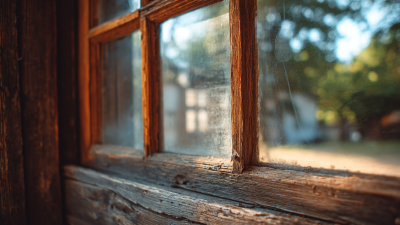
Maintenance determines whether wood windows age gracefully. Inspect the lower sash, corners, and exterior finish each spring and after severe storms. Look for soft wood, cracked paint, failed sealant, or condensation between glass panes. Clean frames with mild soap and water. Avoid pressure washing. Recoat exposed wood before the finish flakes, although timing varies with sunlight and local weather. In humid coastal areas, maintenance may be needed sooner. Durable windows still need attention. I have found that neglected small cracks become expensive repairs, sometimes faster than homeowners expect. A realistic maintenance schedule should include annual checks, prompt repairs, and professional review when movement or water staining appears.
How to Choose the Best Wood Windows for Your Home?
Set a realistic budget before comparing wood window styles. Include the window, glazing, hardware, delivery, installation, and interior finishing. A simple spreadsheet can reveal overlooked costs. Keep ten to fifteen percent for unexpected repairs or measurement changes. Older walls are rarely as straight as they appear.
In renovation projects, I have learned that the cheapest quote is not always economical. A supplier should provide clear specifications, energy-performance data, timber treatment details, and a written warranty. Ask who handles installation and future service. Check recent customer references, production photos, and independent testing records. A reliable supplier will explain moisture protection without hiding behind technical language.
Request a physical sample. Touch the finish.
Compare two or three detailed quotes, not vague totals. Confirm lead times, payment stages, delivery protection, and replacement procedures for damaged units. Ask whether the timber comes from responsibly managed forests, and request supporting documentation. The supplier should measure openings carefully and explain ventilation, drainage, and maintenance requirements. I once focused too heavily on appearance and underestimated repainting needs. That mistake changed how I review long-term costs. Even a beautiful window can disappoint when its finish, glass, or installation does not suit the local climate. Reliable advice may include a slower, more expensive option. That is often worth hearing.
Set a realistic budget and compare suppliers by reviewing the typical installed cost for different wood window specifications.
Planning estimates are shown in U.S. dollars per standard 3 × 5 ft wood window, including typical installation. Custom sizes, glazing, finishes, and local labor can significantly change the final quotation.
We serve the Greater Milwaukee area: Waukesha, Milwaukee, Washington, Ozaukee Counties and nearby areas, including Germantown, Menomonee Falls, Mequon, Cedarburg, Thiensville, Grafton, Jackson, West Bend, Hartland, Waukesha, Brookfield, West Allis, Franklin, Greenfield and more. We are Wisconsin’s Best Contractor for Replacement Windows, Doors, Siding & Roofing!
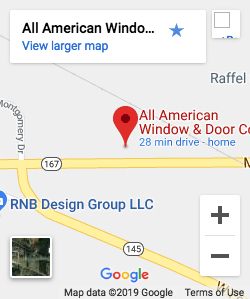
Address:
N112 W14880 Mequon Road
Germantown, Wisconsin 53022
Phone:
Email:
Monday: 9am – 5pm
Tuesday: 9am – 5pm
Wednesday: 9am – 5pm
Thursday: 9am – 5pm
Friday: 9am – 4:30 pm
Saturday by Appointment
Evenings by Appointment