
Choosing the right entry doors is more than selecting an attractive front finish. Your door influences security, comfort, energy use, and daily convenience. Imagine coming home with wet boots while cold air slips beneath the frame. That small draft may reveal poor installation, worn weatherstripping, or an unsuitable design.
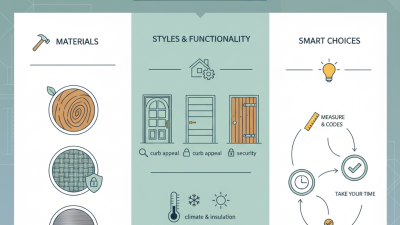
A reliable choice begins with your home’s structure, climate, and routine. Fiberglass can resist moisture and imitate natural wood grain. Steel often provides strong security and dependable value. Solid wood offers warmth and character, but it needs regular maintenance. Glass panels can brighten a dim hallway, although privacy and impact resistance deserve careful attention. No material is perfect.
Look beyond appearance. Check the door’s insulation rating, frame quality, hinge strength, threshold, and lock compatibility. A qualified installer can identify uneven walls, drainage problems, and gaps that product photographs cannot show. Manufacturer specifications and independent testing provide useful evidence, but they should not replace practical inspection. Measure twice.
This guide explains how to compare styles, materials, security features, weather performance, and installation requirements. It also considers long-term costs, including repainting, sealing, repairs, and replacement hardware. The most expensive door may not suit every home. A modest fiberglass model may outperform a beautiful wood door in a wet coastal area. Your best decision should balance appearance, performance, maintenance, and trustworthy professional advice. Expect some compromise. That is normal.
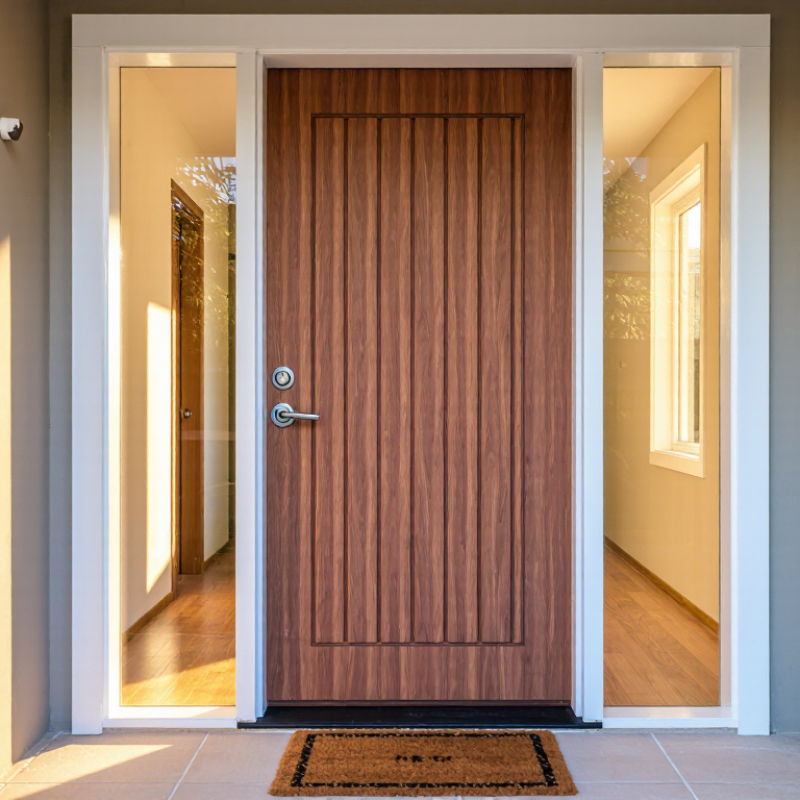
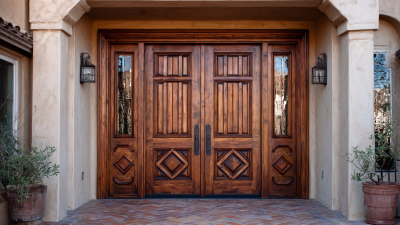
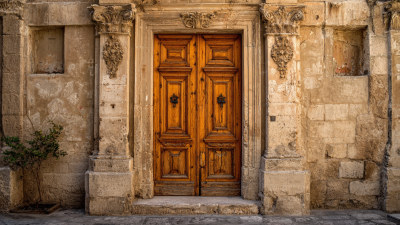
Entry doors shape your home’s first impression, but their performance matters more. The main types are wood, fiberglass, steel, and glass-panel doors. Wood offers natural grain, warmth, and easy customization. However, it needs regular sealing, especially in wet or sunny climates. Fiberglass can imitate wood while resisting moisture, dents, and temperature changes. It is often a practical choice for busy households.
Steel doors provide strong security and usually cost less than solid wood. Yet, a scratched surface can eventually rust if repairs are ignored. Glass-panel doors bring daylight into dark hallways, although they may reduce privacy and require stronger insulation. Look for double-pane or frosted glass when comfort and privacy matter. A poorly fitted door can waste more energy than the material itself. I learned this after noticing a cold draft around an otherwise quality door.
Tips: Check the frame, hinges, threshold, and weatherstripping together. Measure the rough opening carefully, not just the old door slab. In rainy areas, choose a raised threshold and moisture-resistant finish. For sunny entrances, ask about fade resistance. Test the lock with the door closed, because alignment affects everyday security. Do not ignore installation quality. Even the best door can perform poorly when the frame is uneven. Personally, I would choose fiberglass for low maintenance, but a carefully maintained wood door may feel more welcoming. That preference is subjective.
Choosing an entry door starts with climate, exposure, and daily use, not appearance alone. Steel doors resist impact and usually require little maintenance, but damaged coatings can rust at exposed edges. Fiberglass resists moisture and sunlight better, although lower-quality panels may crack under severe impact. Wood offers warmth and repairability, yet it demands regular sealing, especially beneath a porch. No material is maintenance-free.
The U.S. Department of Energy reports that air sealing can reduce household heating and cooling costs by 5% to 30%. Therefore, inspect the frame, threshold, weatherstripping, and glass before judging the slab. A beautiful door still performs poorly if daylight appears around its edges. Look for insulated cores, low-emissivity glazing, and a tested U-factor appropriate for your climate. The 2024 Cost vs. Value Report found that steel entry-door replacement recovered about 188% of its cost nationally, though local results vary widely. That figure reflects resale value, not guaranteed savings.
I check hinges twice.
Use stainless or corrosion-resistant hardware near coastal air. Clean the surface with mild soap, then inspect seals each season. I have seen homeowners choose heavy wood doors without considering swollen thresholds after rain. That was a costly oversight. Material selection should include installation quality, drainage, repainting intervals, and the owner’s willingness to maintain small defects before they become structural problems.
Typical residential service-life ranges by door material
Fiberglass and well-maintained wood doors can provide long service lives, while steel doors offer strong durability and security at a generally lower initial cost. Wood usually requires the most regular refinishing, steel may need touch-up painting to prevent rust, and fiberglass typically requires the least maintenance. Actual performance depends on climate, installation quality, exposure, and maintenance practices.
Choosing an entry door starts with how your home is used, not with a showroom photograph. A narrow porch may suit a single door with a clean glass panel. Wider façades can support double doors or a door with a fixed sidelight. I have seen beautiful oversized doors make small entrances feel crowded. That mistake is easy to repeat. Study the approach, furniture clearance, and sightlines from inside before choosing a style. Traditional panels add visual weight, while simple flush surfaces create a calmer, modern impression. Glass can brighten a dark hall, but privacy and afternoon glare deserve equal attention.
Measure the rough opening, not only the existing slab. Record height, width, jamb depth, threshold level, and swing direction. Leave practical clearance for coats, deliveries, and muddy shoes. An inswing door is convenient indoors, while an outswing configuration may preserve interior space. Local requirements can affect egress, glazing, and accessibility, so verify measurements with a qualified installer. My planning habit is to tape the proposed door size on the wall. Walking past it reveals proportion problems faster than a drawing. Still, tape cannot show weather seals or hardware movement.
Tips: Keep the style consistent with nearby windows and roof lines. Choose a size that feels generous, but not theatrical. Check sunlight at different hours. Ask for a measured installation quote, including trim and threshold adjustments. If uncertain, photograph the entrance from the street and hallway. The mismatch often becomes obvious.
Comparing Energy Efficiency, Security, and Weather Resistance
Choosing an entry door is less about appearance than performance at the threshold. In home inspections, I check doors on windy days. A cold strip near the floor often signals a weak sweep or poor installation. Energy efficiency starts with a tight frame, insulated core, adjustable sill, and low air-leakage rating. Compare U-factor values when available; lower numbers generally indicate better insulation. Double-pane, low-emissivity glass can reduce heat transfer, but its seals and frame matter too. A strong specification cannot rescue a badly fitted door.
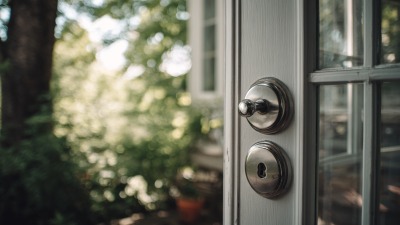
Security depends on the complete entry system, not a heavy slab alone. A reinforced frame, long fastening screws, protected hinges, and a quality deadbolt create meaningful resistance. Multi-point locking can improve contact along the jamb, especially on taller doors. However, complicated hardware may be poorly adjusted or ignored. Test the lock with the door closed, without forcing the key. Laminated glass is harder to break through than ordinary glass and can preserve the barrier after cracking. Still, no residential door is impenetrable. That matters.
Weather resistance should match local exposure. For driving rain, inspect the sill pan, corner seals, and compression gaskets. A covered porch helps, but it cannot replace correct drainage. In snowy regions, a raised threshold may help, while coastal homes need corrosion-resistant hardware. Ask for documented water, air, and structural testing instead of vague labels. Installation deserves equal attention. The frame should be plumb, securely shimmed, and sealed continuously. I have seen expensive doors perform poorly because foam was missing behind one side. One unsealed corner can undo several impressive features.
How to Choose the Best Entry Doors for Your Home?
Set a realistic budget before comparing entry doors. Include the door, frame, hardware, delivery, removal, and installation. Many homeowners underestimate labor costs. A modest-looking project can become expensive when the opening needs repair. Reserve 10 to 15 percent for unexpected work, such as damaged timber, uneven walls, or outdated flashing. Check local permit requirements before ordering. Some areas regulate structural changes, energy performance, or emergency exits. Measure the opening carefully, including width, height, depth, and swing direction. A small measurement error can delay the entire project.
Professional installation often protects the performance you paid for. Ask installers for proof of licensing, insurance, relevant training, and recent references. Request a written quote with materials, labor, disposal, taxes, and completion dates clearly listed. Confirm who handles permits and inspections. During installation, watch for a level frame, consistent gaps, secure fasteners, and continuous weather sealing. The threshold should meet the floor without creating a trip hazard. Poor sealing can cause drafts and moisture damage. It may also weaken energy savings. I would not choose the cheapest quote automatically. However, the most expensive option is not always the most skilled. Ask how the installer will correct problems if the door sticks, leaks, or settles later. Even careful planning can miss something. A second measurement and an independent review may feel excessive, but they can prevent a costly reinstallation.
We serve the Greater Milwaukee area: Waukesha, Milwaukee, Washington, Ozaukee Counties and nearby areas, including Germantown, Menomonee Falls, Mequon, Cedarburg, Thiensville, Grafton, Jackson, West Bend, Hartland, Waukesha, Brookfield, West Allis, Franklin, Greenfield and more. We are Wisconsin’s Best Contractor for Replacement Windows, Doors, Siding & Roofing!
Address:
N112 W14880 Mequon Road
Germantown, Wisconsin 53022
Phone:
Email:
Monday: 9am – 5pm
Tuesday: 9am – 5pm
Wednesday: 9am – 5pm
Thursday: 9am – 5pm
Friday: 9am – 4:30 pm
Saturday by Appointment
Evenings by Appointment