Top 10 Wood Window Suppliers for Global Buyers?
Wood windows bring warmth, character, and natural variation to a building. They also demand careful evaluation. For global buyers, a polished product photo tells only part of the story. Species, joinery, glazing, finishes, and quality controls can differ sharply between suppliers. So can lead times and communication. Small details matter.
Building-science expert Joseph Lstiburek emphasizes moisture management in building assemblies. A practical buyer’s principle, consistent with that focus, is: “Judge a wood window by how it handles water, not by appearance alone.” This is a guide’s summary, not a verbatim quotation. Look closely at corner joints, drainage paths, coating coverage, and sample units. Ask how the supplier tests performance and checks consistency across production runs. A beautiful frame is not enough.
This Top 10 guide compares wood windows suppliers serving international buyers. It considers product range, customization, manufacturing capability, documentation, and support. The strongest match may not be the largest company. It may be the supplier that answers technical questions clearly and provides evidence for its claims. Ask for details. Verify them. A missed specification can become an expensive surprise after delivery. No ranking removes the need for independent checks, and some information may change. Use the list as a starting point—not a substitute for reviewing samples, contracts, and project requirements.
Wood Window Fundamentals: Timber Species, Glazing, and Frame Construction
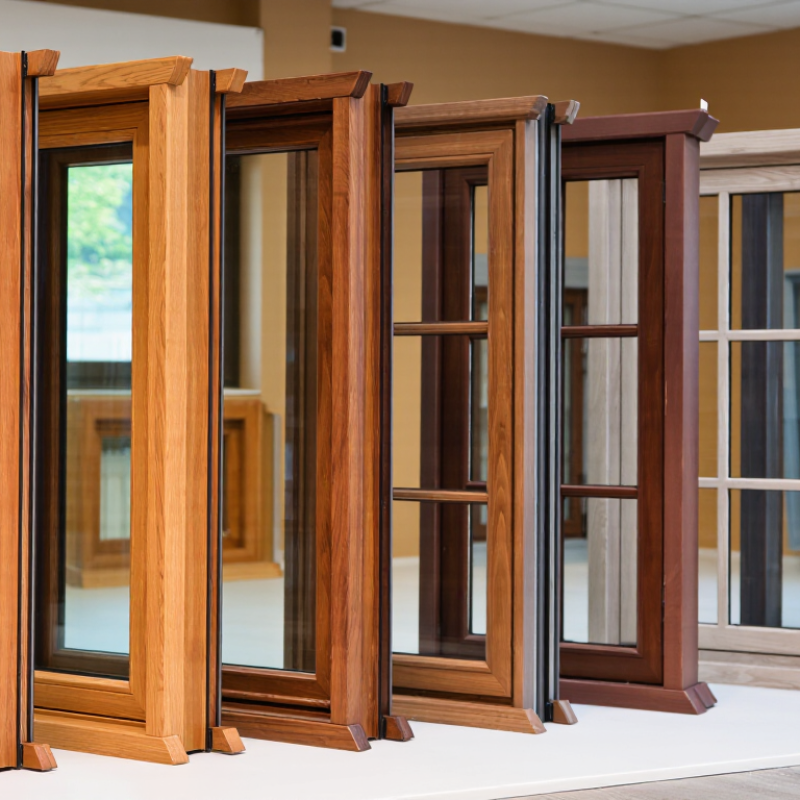
Timber choice affects a wood window’s stability, appearance, and maintenance needs. Oak is dense and durable, while pine is lighter and often easier to machine. Accoya-like modified timber is not needed to discuss; better avoid brands, say modified wood can improve dimensional stability. Choose based on climate, exposure, and available maintenance—not appearance alone. A south-facing frame may weather faster than one beneath a deep roof.
Glazing matters just as much. Double glazing can reduce heat transfer and outside noise, while low-emissivity coatings help manage solar gain. Ask suppliers for glass specifications and whole-window performance data, not glass-only figures. Small details count. Check how the sealed unit drains and how replacement glass can be fitted.
Tips: Request the timber species, moisture content, finish system, and maintenance guidance in writing. Inspect corner joints and sample finishes in daylight. A neat sample can hide weak detailing, so ask for close-up photos of completed installations.
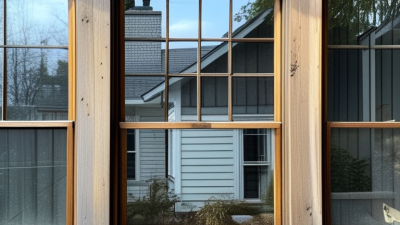
Frame construction influences strength and long-term fit. Properly joined corners, sealed end grain, and clear drainage paths help limit moisture damage. Confirm whether the frame uses solid or engineered timber; both can perform well when designed and manufactured carefully. Tolerances matter. Ask how the supplier controls warping during shipping and acclimatization. I would not assume one species suits every region; even good advice can miss local exposure.
Performance Data: NFRC U-Factor, SHGC, and ASTM E283 Air Leakage
Top 10 Wood Window Suppliers for Global Buyers?
Performance Data: NFRC U-Factor, SHGC, and ASTM E283 Air Leakage
When comparing wood window suppliers, request performance data for the exact product configuration you plan to buy. NFRC U-factor indicates heat transfer through the whole window; lower values generally mean less heat loss. SHGC measures how much solar heat enters. A high value may help in cold, sunny locations, but increase cooling loads elsewhere. Climate and building orientation matter.
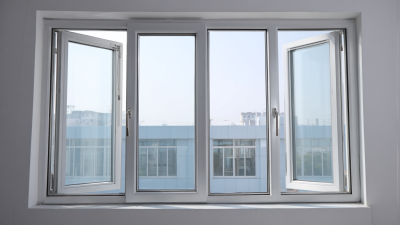
Check that quoted ratings match the frame, glazing, spacers, and operating style in your order. Small details count. A tilt-turn unit and a fixed window can perform differently, even with similar glass. ASTM E283 testing measures air leakage across a window under a specified pressure difference. Compare results only when test conditions and reporting units are clear. Ask suppliers for current test reports, rated sizes, and evidence that production units match tested samples. A polished data sheet is useful, but it is not proof of consistent factory quality. That distinction is easy to overlook. Also remember that careful installation affects real-world leakage, so lab results cannot tell the whole story. A comparison spreadsheet may simplify decisions, yet it can hide uncertainty in test scope or product variation. Ask questions before treating a low number as a guarantee.
Global Compliance: EN 14351-1, FSC Chain of Custody, and Export Readiness
Global buyers should assess wood-window suppliers through evidence, not polished catalogs. For EU-bound products, EN 14351-1 addresses performance characteristics for windows and external pedestrian doorsets. Ask for test evidence matching the actual profile, glazing, hardware, and opening size. Small changes matter. Verify the applicable conformity route for the destination market; one test report may not cover every configuration.
FSC Chain of Custody records help trace certified material through processing and trade. FSC’s 2023 facts-and-figures update reports more than 50,000 Chain of Custody certificates worldwide. Buyers should check a supplier’s certificate scope and status, then match invoices and product claims to that scope. Still, a neat file can hide a weak handoff: timber sources sometimes change without updated records.
Export readiness also means practical controls. Request moisture readings, packing details, shipping marks, and a document list before production ends. UNECE and FAO’s Forest Products Annual Market Review 2023–2024 valued global forest-products trade at about US$482 billion in 2023, down roughly 12% from 2022. That sector-wide decline underlines why delivery planning matters. Confirm lead times, packaging dimensions, and replacement-part arrangements in writing. A certificate is not a shipment plan.
Top 10 Wood Window Suppliers: Compare Products, Markets, and Certifications
Choosing among wood window suppliers requires more than comparing catalogue prices. Look closely at product construction: frame depth, joint design, glazing options, and the timber species used. Ask whether a sample shows the same finish and hardware as the quoted product. Small details matter. A loose corner joint or uneven coating may signal inconsistent production.
Markets create different demands. A coastal project may need durable coatings and corrosion-resistant fittings, while a cold region may prioritize insulated glazing and tight seals. Request test reports for air leakage, water resistance, and thermal performance, then check that they apply to the exact window configuration. A report for one frame size may not cover every size. That distinction is easy to overlook.
Certifications also need careful comparison. Timber chain-of-custody documents can support responsible sourcing, while quality-management certificates describe factory systems, not window performance. Ask for certificate numbers, issuing bodies, validity dates, and covered product sites. Confirm requirements with the project’s local professional, since acceptance varies by market. A supplier with clear records and responsive technical staff can be more dependable than one offering a longer certificate list. Frankly, paperwork can still feel confusing; request plain explanations before comparing bids.
Buyer Evaluation: Test Reports, Warranty Terms, Lead Times, and Incoterms
Top 10 Wood Window Suppliers for Global Buyers?
A supplier’s test report should match the quoted window, not merely a similar product family. Check the frame species, glazing, hardware, dimensions, and test standard. The U.S. Department of Energy estimates that windows account for 25–30% of residential heating and cooling energy use. That makes verified thermal performance more than paperwork. Ask for complete reports, including air leakage, water penetration, structural pressure, and the tested specimen’s configuration. Check the match. A report for a different glass package may not support your project’s performance expectations.
Warranty terms deserve the same close reading. Compare coverage periods for glass, timber finish, hardware, and labor, then note exclusions for coastal exposure, installation, and maintenance. Ask how claims are documented and who pays for replacement shipping. Long warranties sound reassuring. The details matter. A supplier’s lead-time estimate should separate drawing approval, production, inspection, port handling, and ocean transit. The World Bank’s 2023 Logistics Performance Index evaluates logistics performance across 139 economies, including timeliness and customs processes; it is useful context, not a delivery promise.
Write the delivery basis into the quotation using a named place and Incoterms 2020 rule, as published by the International Chamber of Commerce. Confirm who handles export clearance, freight, insurance, and import clearance. Then request a dated production schedule and evidence of recent shipment performance. A spreadsheet still cannot show every delay. I would also check whether the proposed inspection date leaves enough time to correct defects before loading.
Top 10 Wood Window Suppliers for Global Buyers: Buyer Evaluation Framework
Suggested evaluation weights for comparing suppliers—not supplier rankings or measured market data. Verify test reports against the applicable project requirements, review warranty coverage and exclusions, confirm quoted production and shipping lead times, and ensure Incoterms® 2020 rules specify the named place or port.